

Is Calcium Glycerophosphate Safe? Questions People Ask
How FDA Classifies It
Federal food rules name calcium glycerophosphate on the U.S. Food and Drug Administration's list of ingredients generally recognized as safe. The regulation, 21 CFR 184.1201, covers its use in food as a nutrient supplement and in gelatins, puddings and fillings. It describes a fine white powder that is odorless and almost tasteless.
That classification is a helpful starting point, and it is not a promise for every person. "Generally recognized as safe" is about an ingredient at normal food uses. It does not know your kidneys, your medicines or the rest of your calcium intake. Here are the questions people ask us most, and what you should know.
What Side Effects Are Possible?
Most of what is written about side effects applies to calcium in general, and we did not find a large trial that measured side effects of this salt on its own. MedlinePlus lists gas, bloating and constipation as side effects of calcium supplements. It suggests drinking more fluids and eating high-fiber foods if they show up.
Constipation is the one customers mention most. Heather Florio, our CEO, suggests offsetting calcium intake with equal parts magnesium to help avoid calcium-based constipation. Ask your provider what amount is right for you.
Keep an eye on the rest of your routine too. A new supplement, a change in fluids and a change in fiber can all look alike from the inside, so change one thing at a time when you can. If you try it, note what changes. New symptoms in the first weeks are easy to write down and hard to remember later. If something seems off, pause it and call your provider.

How Much Calcium Does It Add?
This question is worth asking, because calcium adds up without you noticing. MedlinePlus gives these totals from food and supplements combined:
- Adults 19 to 50: 1,000 mg a day.
- Women 51 to 70: 1,200 mg a day.
- Everyone 71 and over: 1,200 mg a day.
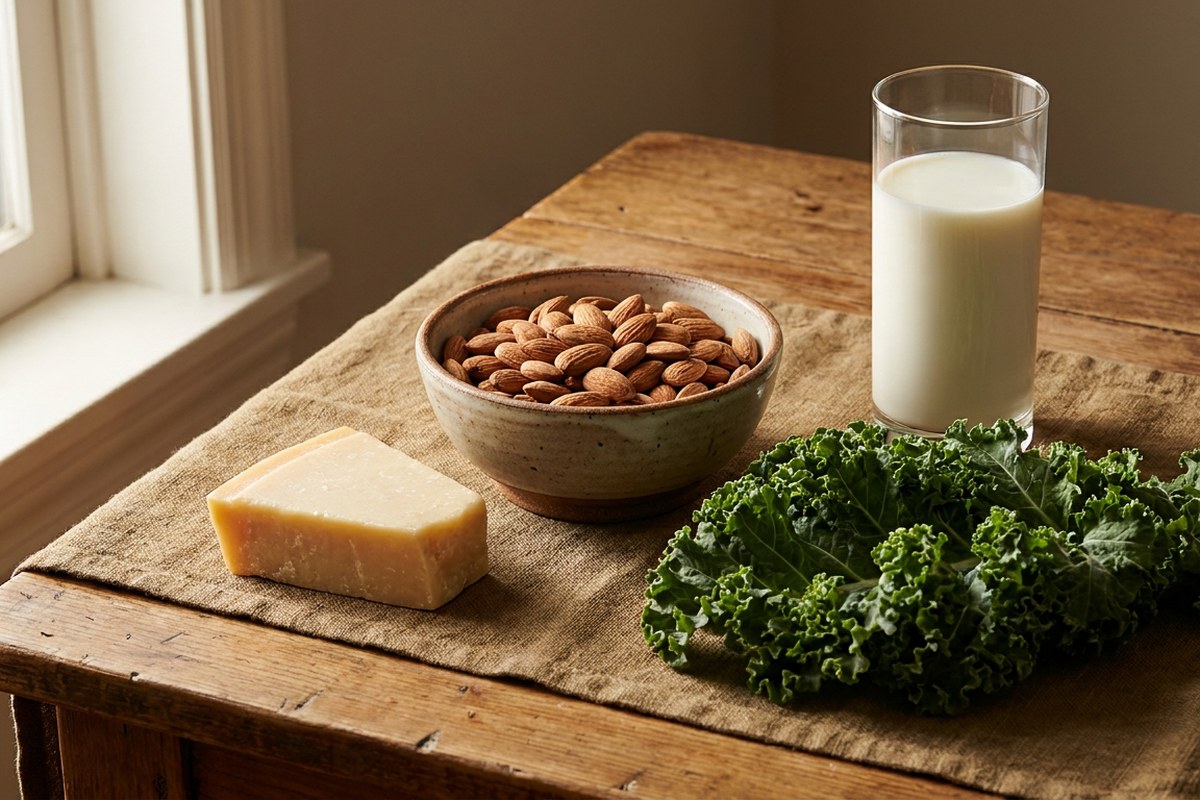
It also advises against taking more than 500 mg of calcium at one time, and it warns that extra calcium taken over a long period raises the risk of kidney stones in some people. Too much can also get in the way of absorbing iron, zinc, magnesium and phosphorus.
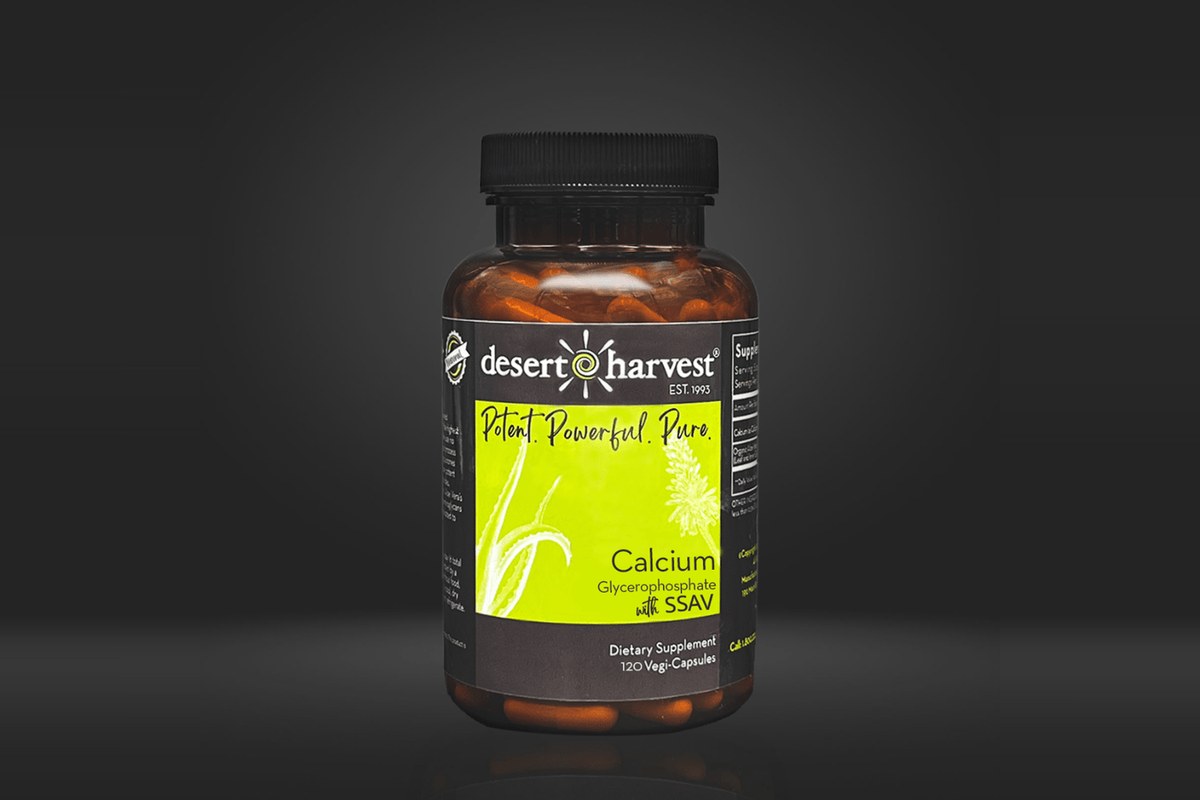
Each capsule of our Calcium Glycerophosphate has 230 mg of calcium glycerophosphate, and one capsule is taken before acidic food or drink. So someone using two or three a day should add that to any other calcium product, fortified food or antacid they already use. A simple written list of everything you take makes this much easier.
People also ask how it compares with calcium carbonate. MedlinePlus explains that calcium carbonate is the form found in over-the-counter antacid products, and that it should be taken with meals. Calcium glycerophosphate is a different mineral salt, used for a different reason: our label says it is taken before acidic food or drink to raise their pH. It is not a replacement for a calcium plan your provider has set for your bones, so ask before you swap one for another.
Who Should Talk to a Provider First?
Please ask first in any of these situations:
- You have impaired kidney function. Your kidneys control the levels of calcium and magnesium in your bloodstream.
- You have had kidney stones.
- You take antibiotics or iron pills. MedlinePlus notes calcium supplements may change how your body absorbs certain antibiotics and iron pills, so timing can matter.
- You are pregnant or breastfeeding, or you take several prescription medicines.
Our capsule also contains a small amount of SSAV (Super-Strength Aloe Vera) as a carrier to enhance absorption, so mention that when you list what you take. It is vegan and gluten-free, which many people with food sensitivities ask about.
What the Bladder Research Covers
People with a sensitive bladder are usually the ones asking, so here is what the research covers. In a web survey of 598 members of the Interstitial Cystitis Association, published in 2011, 95.8% said certain foods and drinks affected their symptoms. Calcium glycerophosphate was one of only two items with a trend toward improvement. It is a survey, so it shows what people report, not what a controlled trial would show.
A review in BJU International recommends a controlled way to find your own triggers. The Interstitial Cystitis Association's diet page describes a similar careful approach. Our post on dietary acid and the bladder covers the basics of acidity in food.
Surveys like these have limits. People who join a patient group and answer a long questionnaire may not be typical, and nobody in a survey is compared with a group taking a placebo. Nobody should think of this as a free pass to eat anything. Many people see it as one tool within a careful food routine, and experiences vary. We recommend consulting with your healthcare provider to determine if this is right for you, and bringing the bottle along so they can read the label for themselves.
These statements have not been evaluated by the Food and Drug Administration. This product is not intended to diagnose, treat, cure, or prevent any disease. This content is for informational purposes only and does not constitute medical advice. Always consult with a qualified healthcare provider before making changes to your health regimen.