


The IC Flare Kit: What to Have Ready Before You Need It
Why Every IC/BPS Household Needs a Flare Kit
An estimated 4 to 12 million people in the United States live with interstitial cystitis/bladder pain syndrome (IC/BPS), according to the National Institute of Diabetes and Digestive and Kidney Diseases (NIDDK) — and for most of them, a flare doesn't call ahead. It can start at a work desk, on a road trip, or at 2 a.m. with nothing within reach but a phone and a half-empty medicine cabinet.
A flare kit doesn't change what's happening in the bladder. What it does is remove the scramble — the ten minutes spent hunting for a heating pad, hunting for the after-hours number, hunting for the notebook where the last flare's details were supposed to be written down. Fewer decisions during pain leaves more attention for the plan already agreed on with a provider.

What to Put in the Kit
A flare kit isn't a medical device — it's a box, drawer, or bag holding the ordinary items a flare tends to call for, assembled ahead of time instead of during. A reasonable starting list:
- A heat or cold pad, whichever a provider or past experience says the body responds to
- Low-acid drinks and a few bladder-friendly snacks that don't require a grocery run
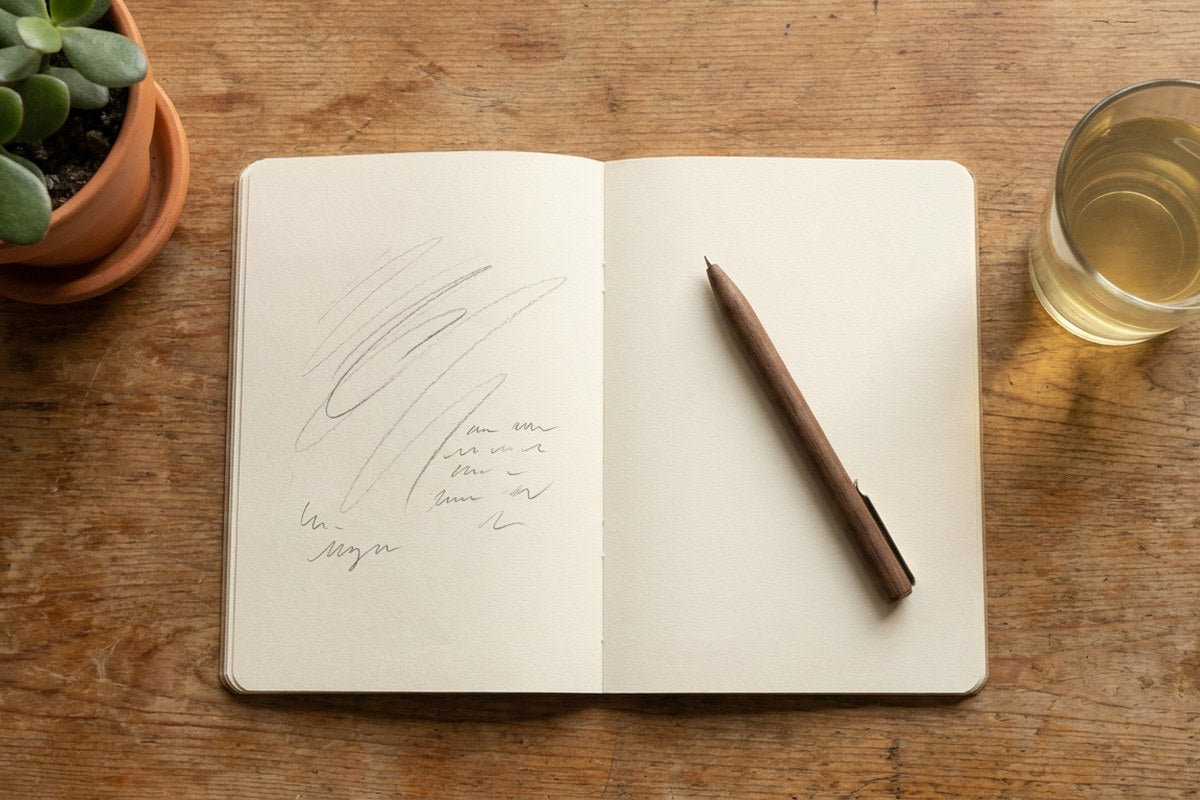
- A symptom and trigger diary — paper notebook or phone app, whichever will actually get used
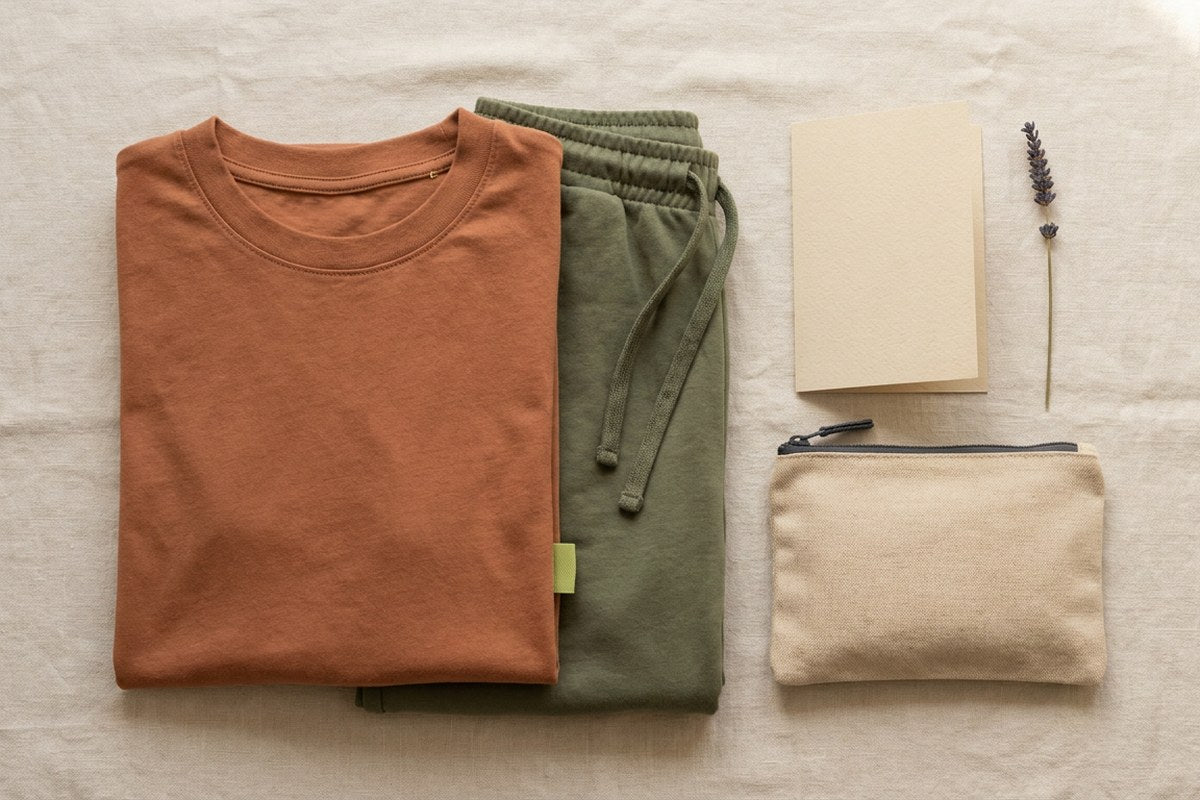
- Loose, soft clothing that doesn't press on the lower abdomen
- A written flare plan worked out in advance with a healthcare provider
- The provider's after-hours or on-call number, saved somewhere other than memory
- Any medications a provider has already prescribed for flare days, kept where they're easy to find
- Comfort items for sleep — an extra pillow, an eye mask, whatever makes lying still easier
- The daily supplements already part of the household's bladder-friendly routine
None of this requires a specialty purchase. The point is proximity: everything in one place, checked every few months, and restocked before it runs out.
Building the Flare Plan With a Provider
The most useful item on that list is also the one people skip: a written plan. A short conversation at a regular appointment — "what should I do differently on a bad day, and at what point should I call you?" — turns a vague sense of dread into a short, specific set of steps. Some providers write it down on the spot; if not, it's worth asking to draft it together and keeping a copy inside the kit itself.
A trigger diary earns its place here too. The most useful ones track a handful of fields consistently rather than everything possible: what was eaten and when, sleep the night before, stress level, fluid intake, and symptom severity on a simple 1-to-10 scale. Reviewed over a few weeks, patterns tend to surface that memory alone rarely catches — a particular food two days running before a rough stretch, or flares clustering around short sleep. Food is the classic example: in a validated-questionnaire study of 104 IC patients published in the Journal of Urology, 90.2% said certain foods or drinks made their symptoms worse — with caffeinated, carbonated and alcoholic drinks among the most-cited — which is exactly the kind of pattern a diary makes visible. The Interstitial Cystitis Association (ICA) lists early recognition of a flare's own pattern as one of the more consistent starting points for managing one.
When a Flare Needs a Call, Not Just a Kit
A flare kit is built for the flares that follow a familiar pattern. Some symptoms fall outside that pattern and call for same-day contact with a provider, not a wait-and-see approach: a fever, visible blood in the urine, or pain that is markedly worse or different from usual. The National Library of Medicine's MedlinePlus lists blood in the urine as a symptom that always merits medical evaluation, since the underlying cause can range from a urinary tract infection to something needing prompt attention.
The current American Urological Association (AUA) guideline for IC/BPS is built around individualized, provider-guided management rather than a rigid script — which is exactly why the written flare plan matters more than any single item in the kit. The kit supports that plan. It was never meant to replace it, and a provider's judgment on an unusual flare always outranks a checklist.
The Daily Routine a Flare Kit Sits Alongside
The strongest flare kits belong to households that already have a daily routine in place, because a flare kit is a backup plan, not a foundation. For many Desert Harvest customers with IC/BPS, that foundation includes SSAV (Super-Strength Aloe Vera), a 200:1 concentration taken as part of a consistent daily routine rather than reached for only during a flare. Desert Harvest is the only Aloe Vera supplement named in the IPBF's global guidelines for IC/BPS — a fact worth knowing, not a promise about any one person's experience.
Two other supplements often sit in that same daily routine: Quercetin, a natural bioflavonoid studied for mast-cell support, and Calcium Glycerophosphate, which may help manage food-related acidity for people navigating an IC/BPS diet. Like SSAV, both belong in the daily bladder-support routine — not the flare kit itself. For more on building that day-to-day foundation, see a bladder-friendly daily supplement routine.
Every household's version of this kit will look a little different, and that's the point — it should match the plan already worked out with a provider, not a generic template. Bring a copy of whatever's assembled to the next appointment and ask whether anything is missing. This is a good moment for one more reminder: always consult with a qualified healthcare provider before starting any new supplement, changing a flare plan, or making other changes to a health regimen.
These statements have not been evaluated by the Food and Drug Administration. This product is not intended to diagnose, treat, cure, or prevent any disease. This content is for informational purposes only and does not constitute medical advice. Always consult with a qualified healthcare provider before making changes to your health regimen.