

How to Support Someone Through Breast Cancer: What Actually Helps
Most People Want to Help. Few Know What Actually Helps
When someone you love begins breast cancer care, the instinct to help is immediate. Knowing what to actually do is a different problem, and it's a common one. A 2023 UK survey of 143 women living with metastatic breast cancer, published in Supportive Care in Cancer, asked them directly what healthcare professionals, family and friends did or said that helped, and what didn't. They had plenty to say on both counts.
This post carries no product and no offer. It exists because most of us will eventually be the friend standing in the doorway, unsure what to bring or say.
Reach Out in Small, Steady Ways
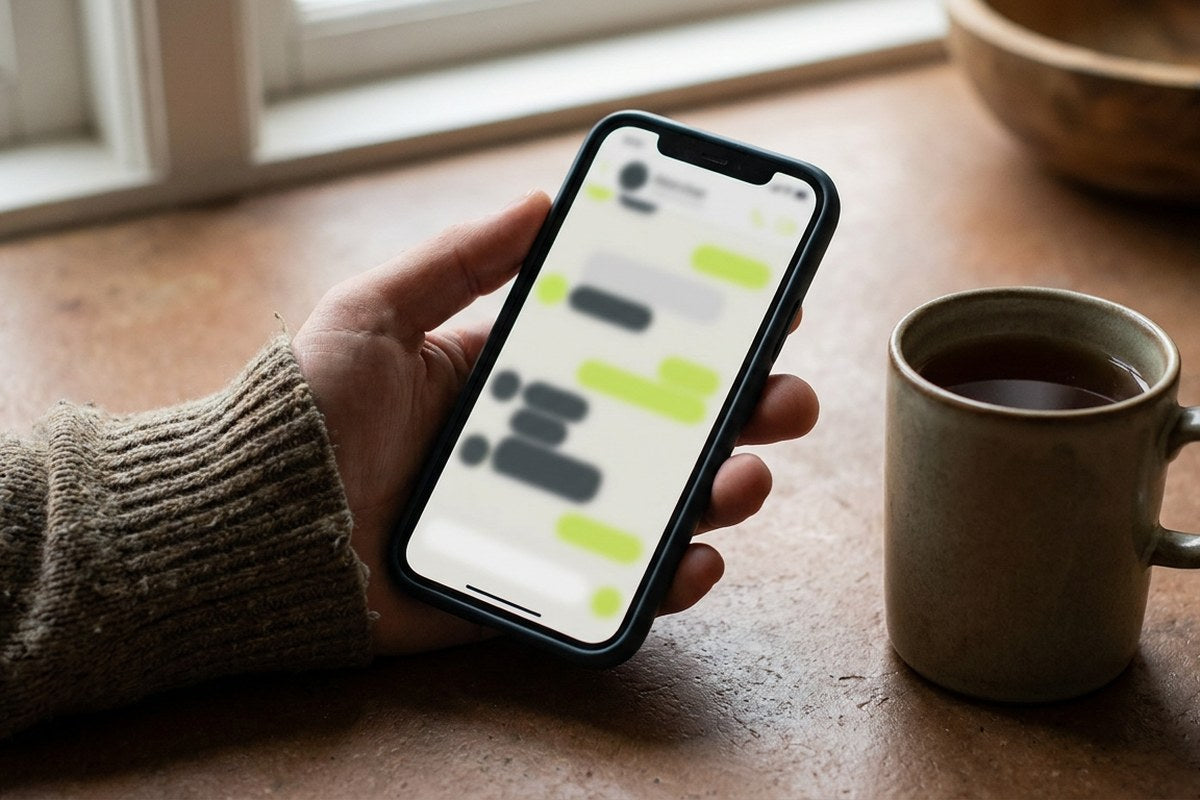
The American Cancer Society's guide to being a friend to someone with cancer puts steady contact ahead of grand gestures: brief, frequent notes or texts, short calls at times that work for your friend, and following through when you say you'll be in touch again. The guide makes the same point about gifts: "Small gifts given frequently are often better than large, one-time gifts."
How you ask matters too. The same guide warns against a "how sick are you today?" tone, and suggests calling or texting before a visit rather than assuming your friend is available. Appointment schedules and energy levels change week to week, and a plan that can bend on short notice is more welcome than a rigid one that asks your friend to perform being fine on a set day.
Help With the Practical Load
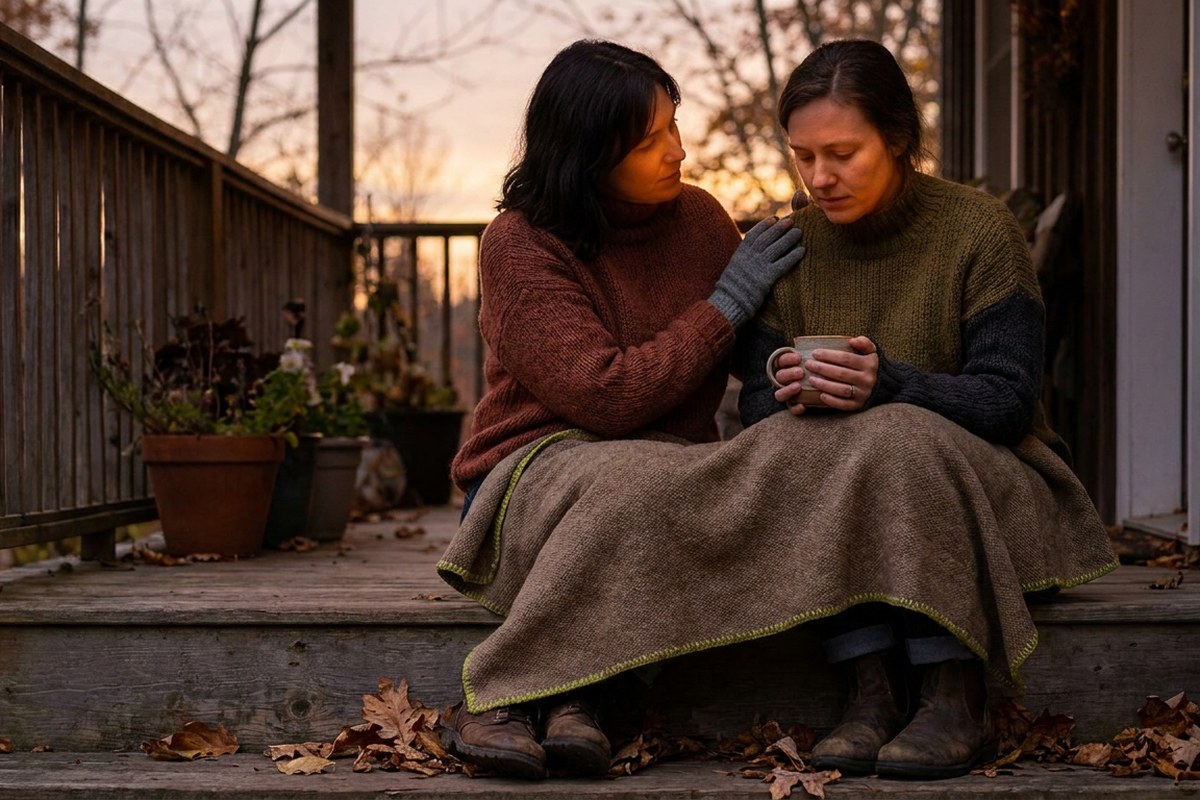
In the 2023 survey, the help women valued most was practical: going to appointments with them, childcare and household chores. It's also the easiest kind of help to organize badly. The American Cancer Society's specific suggestion: make a list of tasks that need doing, then organize a rotating group of friends, neighbors and coworkers to work through it on a regular schedule, rather than everyone showing up with a casserole the same week and nothing the week after.
Concrete ideas from that same guide include a weekly dinner drop-off, an hour of yard work or house cleaning, a regular carpool for a friend's kids, or simply running the errands a household quietly falls behind on until nobody's doing them. A 2026 systematic review in the European Journal of Oncology Nursing, synthesizing ten qualitative studies across eight countries and 161 family caregivers of women with breast cancer, found that "relational buffering," mobilizing practical and emotional support, was one of four themes in how caregivers describe building resilience through the experience.

Skip the Advice, Even When It's Well-Meant
The instinct to say something helpful right away is strong, and it's usually the wrong instinct here. The American Cancer Society is specific about this: don't offer medical opinions on diet, vitamins or herbal remedies unless your friend asks, don't tell them to "fight" the disease, and don't tell them how strong they are, since some people feel the need to act strong even when they're sad or exhausted.
The 2023 survey backs this up from the receiving end. Among the less helpful things women described were friends drifting away or going quiet, and "glib comments about staying positive" stood out as especially unhelpful. Listening without reaching for an answer, and following your friend's lead on whether they want to talk about the illness at all, runs through the American Cancer Society's guide as well.
Support the Caregiver, Too, and Look After Yourself
If you're the person closest to someone going through this, a spouse or a parent rather than a friend at one remove, the research points the same advice back at you. The National Cancer Institute is direct about it: "Many cancer caregivers put their own needs aside to focus on the person with cancer. But if you don't take care of yourself, you won't be able to take care of others." MedlinePlus defines a caregiver simply as someone who gives care to a person who needs help taking care of themselves, whether that's a spouse, a parent, or a friend stepping in informally, and notes that caregiving "may also be stressful and sometimes even overwhelming."
If you're navigating your own chronic condition alongside caring for someone else, our post on being your own advocate has scripts that carry over well to advocating for someone else at an appointment. And if you'd rather start with the numbers behind a breast cancer diagnosis, our earlier post this month covers screening guidance and survival statistics in plain terms.
This October, Desert Harvest is also working with a private restorative tattoo studio in Illinois. Every purchase helps fund restorative 3D areola tattoos for breast cancer survivors. Our goal is to fund tattoos for four survivors, and our Breast Cancer Awareness Month page has more on it. If you have questions about anything in this post, or just want to talk it through, our team is glad to hear from you.
These statements have not been evaluated by the Food and Drug Administration. This product is not intended to diagnose, treat, cure, or prevent any disease. This content is for informational purposes only and does not constitute medical advice. Always consult with a qualified healthcare provider before making changes to your health regimen.