


What to Ask at Your Urology Appointment: An IC/BPS Checklist
Why So Many Bladder Appointments Go Wrong
The average outpatient visit runs 15 to 20 minutes, and interstitial cystitis/bladder pain syndrome (IC/BPS) rarely fits inside that window. There is no single test that confirms it — diagnosis is largely one of ruling other conditions out, a process the National Institute of Diabetes and Digestive and Kidney Diseases (NIDDK) describes as often taking multiple visits to sort out.
Symptoms are also genuinely hard to put into words. "It burns, but not like a UTI" or "I need to go, but almost nothing comes out" doesn't translate easily into a chart note. Being told a flare is "probably stress" or "just something to live with" is common enough that the Interstitial Cystitis Association (ICA) tracks it directly in patient surveys. If that has happened to you, it isn't a reflection of how real your symptoms are. It's a reflection of how little time, and how few objective tests, most bladder conditions come with.
None of that means the system is against you. It means walking in prepared changes the outcome — and preparation is something you control.
What to Bring: The Four Things That Change the Visit
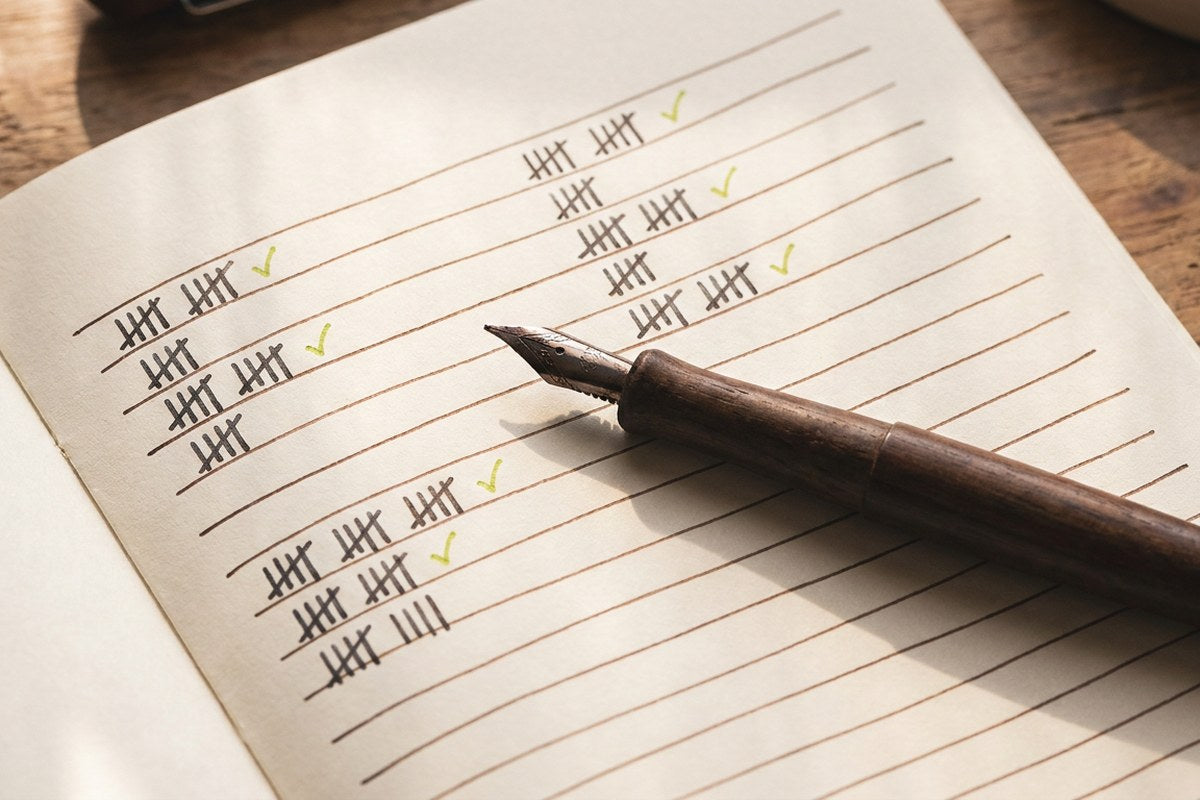
A symptom and voiding diary. Track 3 to 7 days: how many times you urinate (day and night, separately), roughly how much, pain on a 0-10 scale, and what came before a flare — a food, stress, a change in routine. A written diary turns "it's been bad" into a pattern a clinician can actually read, and it's the kind of record clinical research consistently favors over memory alone.
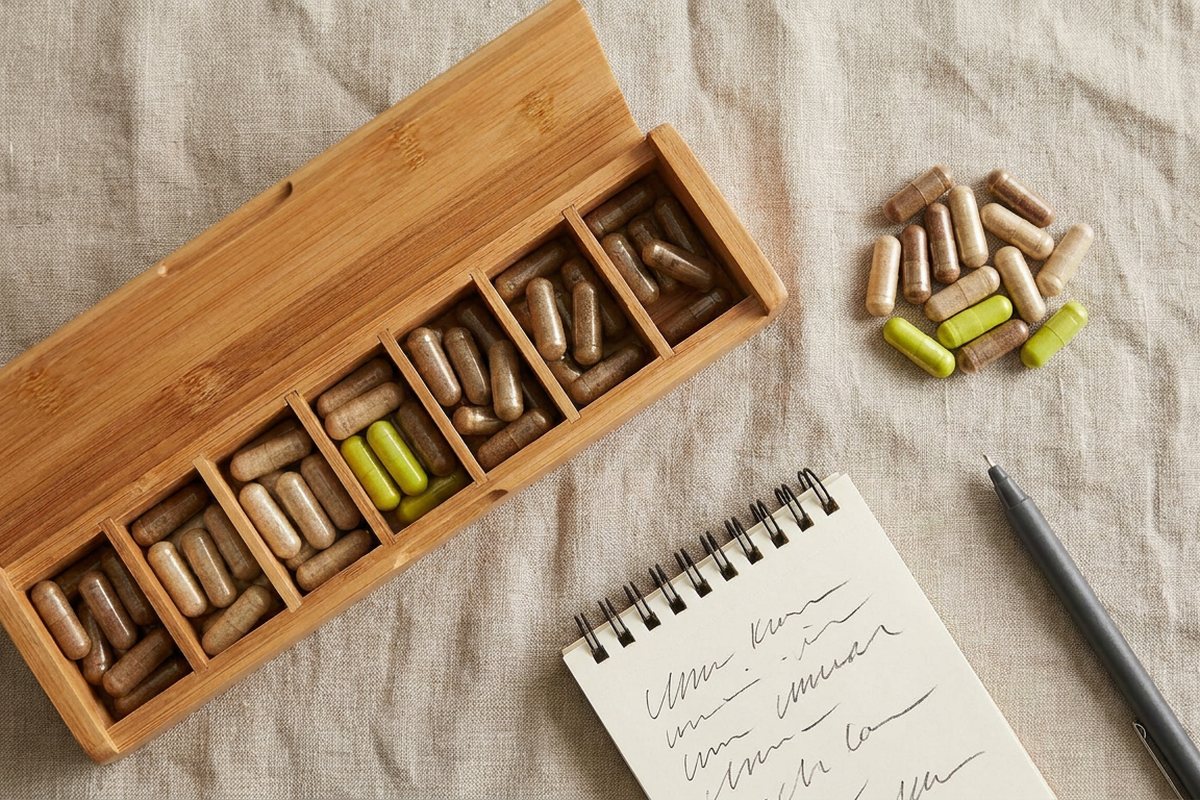
A full medication and supplement list. Every prescription, over-the-counter product, and supplement, with doses — including something like SSAV (Super-Strength Aloe Vera) if it's part of your routine. This isn't an IC/BPS-specific rule; any clinician wants the complete list, and it's one of the easiest things to get right before you walk in.
Previous test results and culture reports. Ask your pharmacy or a prior clinic's patient portal for copies before you go, especially urinalysis and urine culture results. Bringing them means you won't need to re-explain a diagnosis your chart should already show.
A written list of your top three questions. Not ten — three. You will not remember them once the appointment starts moving, and a single visit can only meaningfully cover so much anyway.

The Questions to Actually Ask
These are the questions that tend to move a bladder case forward. Screenshot this list and bring it with you.
- What is my working diagnosis, and what else could explain this?
- Was my urine cultured, and what grew? A negative culture matters as much as a positive one.
- Could my pelvic floor be contributing, and should I see a pelvic floor physical therapist?
- Could a hormonal change be a factor — perimenopause, menopause, or a recent medication change?
- What are my options, in what order, and what does each one actually involve?
- What should make me come back sooner, rather than waiting for the next scheduled visit?
- Is there anything in my diary that stands out to you?
The pelvic floor question is worth insisting on. Research in the International Urogynecology Journal has documented how often pelvic floor dysfunction overlaps with bladder pain, yet it's frequently left out of a first conversation. And the culture question matters because ruling infection in or out changes everything downstream — bladder pain research published in the Journal of Urology positions it as a first step, not an afterthought.
How to Describe Symptoms So They're Actionable
"It's bad" tells a clinician nothing they can chart. Specifics do.
- Frequency: "14 times in 24 hours, 4 of them overnight" beats "constantly."
- Pain scale: Rate it 0-10, and note where — suprapubic, urethral, during or after voiding.
- Pattern: What makes it worse (a food, stress, sitting for long periods) and what makes it more manageable (heat, position, timing).
- Impact: How many nights a week it interrupts sleep, and whether it has changed how you work, drive, or plan a day.
This is exactly what the diary from earlier is for — it turns your appointment into a conversation about data, not an argument about whether the pain is real.
After the Appointment: Close the Loop
Before you leave, request a copy of the visit notes. Most patient portals can do this automatically, and reading them later often clarifies things you half-heard in the room. Ask for a follow-up plan in writing — what happens next, what to watch for, and when you're expected back.
A second opinion is reasonable whenever your working diagnosis hasn't changed after a fair amount of time, when a clinician can't explain their reasoning, or when you feel unheard even after being specific. The American Urological Association publishes patient-facing bladder health guidelines worth bringing to a second visit as a shared reference point, and Desert Harvest's own summary of the international IC/BPS guidelines is a useful starting point for understanding where current care standards sit. Always loop in a qualified healthcare provider before changing anything about your regimen based on what you read here or bring into an appointment.
If SSAV (Super-Strength Aloe Vera) is already on your medication and supplement list, it's worth naming it specifically rather than using a generic label — it's a 200:1, anthraquinone-free Aloe Vera concentrate many people managing IC/BPS include in a daily routine that may help support day-to-day bladder comfort, and Desert Harvest remains the only Aloe Vera supplement named in those international guidelines. You can read more about the research behind SSAV or browse the full bladder health collection.
These statements have not been evaluated by the Food and Drug Administration. This product is not intended to diagnose, treat, cure, or prevent any disease. This content is for informational purposes only and does not constitute medical advice. Always consult with a qualified healthcare provider before making changes to your health regimen.