


Why Summer Is Harder on an IC Bladder: Heat, Hydration, and Hidden Acid
In hot weather an active adult can lose 1 to 2 liters of fluid an hour through sweat — and a sensitive bladder registers that shift long before thirst does. It is one reason July and August can feel like a different condition than February, even when nothing about your routine has changed.
You already know your own patterns better than anyone. What follows is not another list of foods to avoid. It is the mechanism behind why a routine that carried you comfortably through spring can start to feel thin in the heat, plus a few adjustments many people find make the season easier to manage.
What Heat Actually Does to a Sensitive Bladder
Less water in means more concentrated urine out
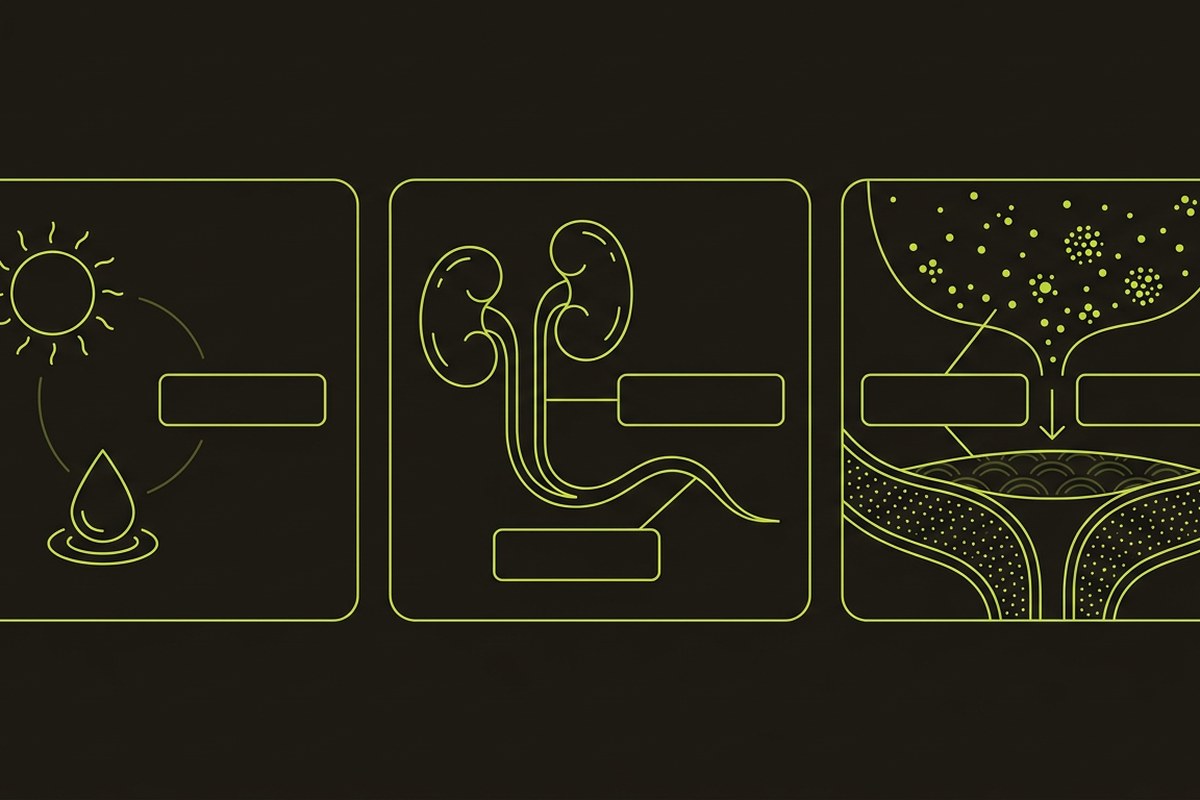
When you sweat heavily, your kidneys do exactly what they are built to do: they conserve water. Urine becomes darker and denser, carrying a higher load of urea, potassium salts and calcium in less liquid.
For most people that is unremarkable. On a bladder wall that is already sensitized, concentrated urine simply means more of everything that provokes it, sitting in contact with tissue for longer. The National Institute of Diabetes and Digestive and Kidney Diseases describes interstitial cystitis and bladder pain syndrome as a chronic bladder condition in which that protective barrier is central to the picture.
The lining matters more than the liquid
In a bladder functioning normally, a glycosaminoglycan layer — the GAG layer — coats the bladder wall and keeps urine from making direct contact with the tissue underneath. Research indexed in PubMed has examined defects in this barrier as one of the more compelling explanations for why some bladders react to urine that others tolerate.
That framing changes what "a summer flare" means. It is less about the heat itself and more about what the heat does to the fluid your bladder holds.
Frequency collides with summer logistics
Road trips, outdoor events, unfamiliar restrooms. The practical result is that many people quietly drink less in summer, precisely when they need more — then hold urine longer once they do. Both habits push the wrong way at once.
Studies cataloged in PubMed Central have examined fluid intake and lower urinary tract symptoms from both directions. What emerges is a balance rather than a maximum: too little dilution irritates, too much volume adds urgency.
The Summer Table: Where the Acid Hides
A cookout is an acid load in disguise
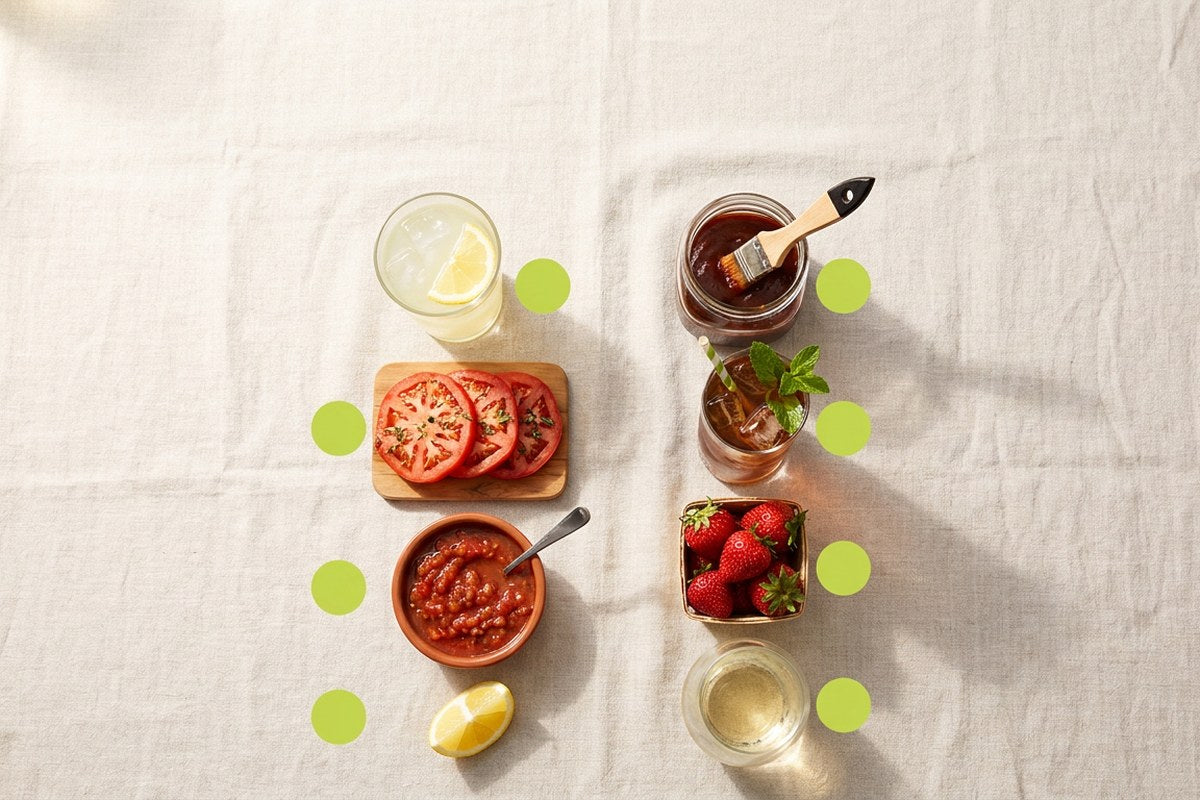
Lemonade sits near the pH of vinegar. Iced tea, tomatoes, salsa, barbecue sauce, vinegar-based slaw, citrus in everything, berries, wine and beer — a single July plate can stack more acidic items than an entire week of winter cooking.
None of these foods are villains. But if you have identified acid as one of your patterns, summer is the season when the load quietly doubles without any decision on your part.
Why a careful diet gets harder in July
At home you control the menu. At a potluck, a wedding or a highway diner, you do not. The Interstitial Cystitis Association has long noted how much variation there is between individuals in which foods matter — which is exactly why blanket avoidance lists tend to fail people in social settings.
A Summer Routine That Protects Your Comfort
Pace fluids instead of chasing them
Large volumes of water at once stretch the bladder quickly and can be more uncomfortable than the dehydration you were correcting. Many people do better sipping four to eight ounces every 30 to 45 minutes across the day, using urine color as the gauge: pale straw, not clear and not dark.
Front-load your fluids
Shift more of your intake to morning and early afternoon, then taper in the evening. You get the dilution benefit through the hottest hours without adding to overnight frequency.
Keep a two-week heat diary
Note the temperature, what you drank, what you ate and how the day felt. Two weeks is usually enough to separate genuine food patterns from a straightforward dehydration effect — a distinction almost impossible to see from memory alone.
Lower the acid of the meal itself
There is a third option between eating the food and skipping it: change the acidity of what reaches your stomach. Calcium glycerophosphate is a mineral compound taken with acidic food or drink to raise its pH, and it is a well-established part of many bladder-friendly kitchens for exactly this reason. Talk with your healthcare provider about whether it belongs in your routine.
The Desert Harvest Difference
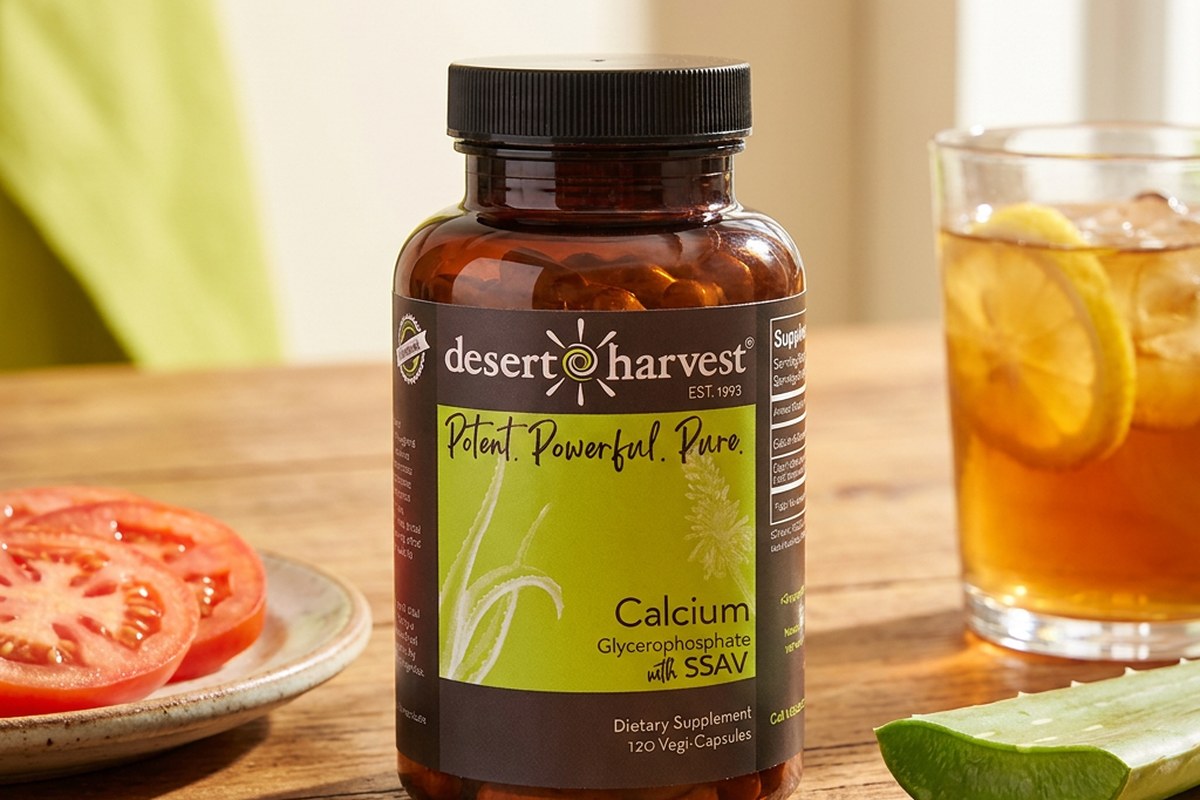
Desert Harvest has made supplements for sensitive bladders since 1993, and Calcium Glycerophosphate is one of the simplest items in the catalog: 230 mg of calcium glycerophosphate plus 40 mg of SSAV (Super-Strength Aloe Vera) in a single capsule, taken with the food or drink you want to enjoy. In clinical testing, calcium glycerophosphate reduced the acidity of foods and beverages by up to 95%.
The Aloe Vera is not decoration. Every Desert Harvest formula carries SSAV, which studies indicate may support absorption of the nutrients alongside it — the same Aloe Vera science behind Super-Strength Aloe Vera, the only Aloe Vera supplement named in the International Painful Bladder Foundation's global IC/BPS guidelines.
Every capsule is gluten-free, made in the USA, cGMP certified and third-party tested, with no fillers or artificial ingredients.
The Bottom Line
Summer does not change your bladder. It changes the concentration of what your bladder is holding and the acidity of what you are putting in — two variables you can actually influence. Paced hydration, an honest two-week diary and a way to soften the acid load will do more for your August than any single food rule.
Subscribe to Calcium Glycerophosphate and every subscription order ships free. See what other people with IC/BPS say in our 2,289+ verified reviews.
These statements have not been evaluated by the Food and Drug Administration. This product is not intended to diagnose, treat, cure, or prevent any disease. This content is for informational purposes only and does not constitute medical advice. Always consult with a qualified healthcare provider before making changes to your health regimen.