


The Gut Connection: Why Recurrent UTIs Don't Actually Start in the Bladder
About half of all women will have a bladder infection at some point, and about a quarter of those women will have repeat infections. That second number is the one worth sitting with — because it suggests that for a lot of people, something is refilling the tank.
If you have been through three rounds of antibiotics in a year and been told to drink more water and wipe front to back, you already know that advice does not explain recurrence. The research over the past fifteen years has moved somewhere much more interesting: the reservoir is in the gut, and the urinary tract has a microbial community of its own. Here is what that means.
Where the Bacteria Actually Come From
The gut is the reservoir
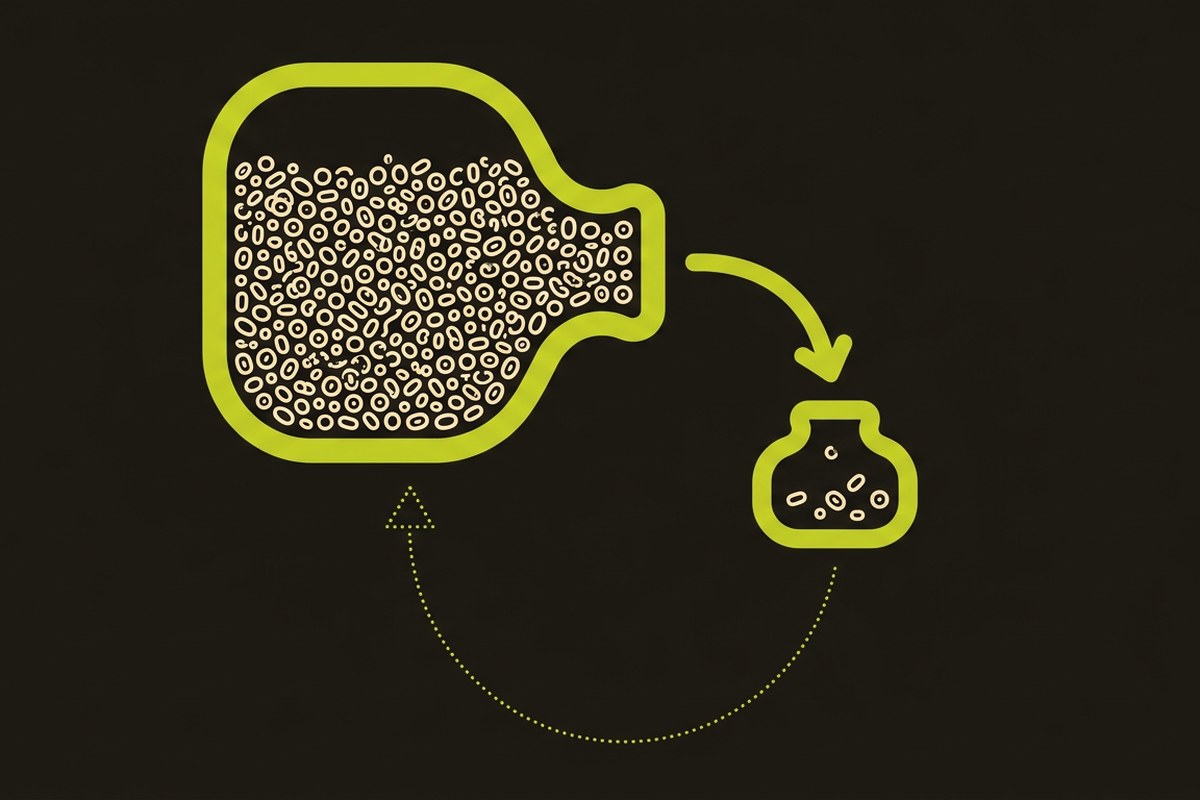
Most bladder infections are caused by E. coli, and that E. coli is not arriving from the outside world. It lives in the intestinal tract, which is its native habitat, and travels a very short distance to reach the urinary tract.
The National Institute of Diabetes and Digestive and Kidney Diseases is direct about the anatomy: the female urethra is short and sits close to the anus, so bacteria from the bowel can more easily enter the urinary tract. Antibiotics clear the bladder. They do not empty the reservoir.
Why that reframes "recurrence"
Once you see the gut as the source, a repeat infection no longer looks like bad luck or bad hygiene. It looks like re-colonization from a population that never left.
That is exactly the model researchers have been testing. The literature on gut reservoirs and recurrent urinary infection is indexed in PubMed and it is a substantial body of investigation, not a fringe idea.
The Urinary Tract Is Not Sterile After All
What changed in the research
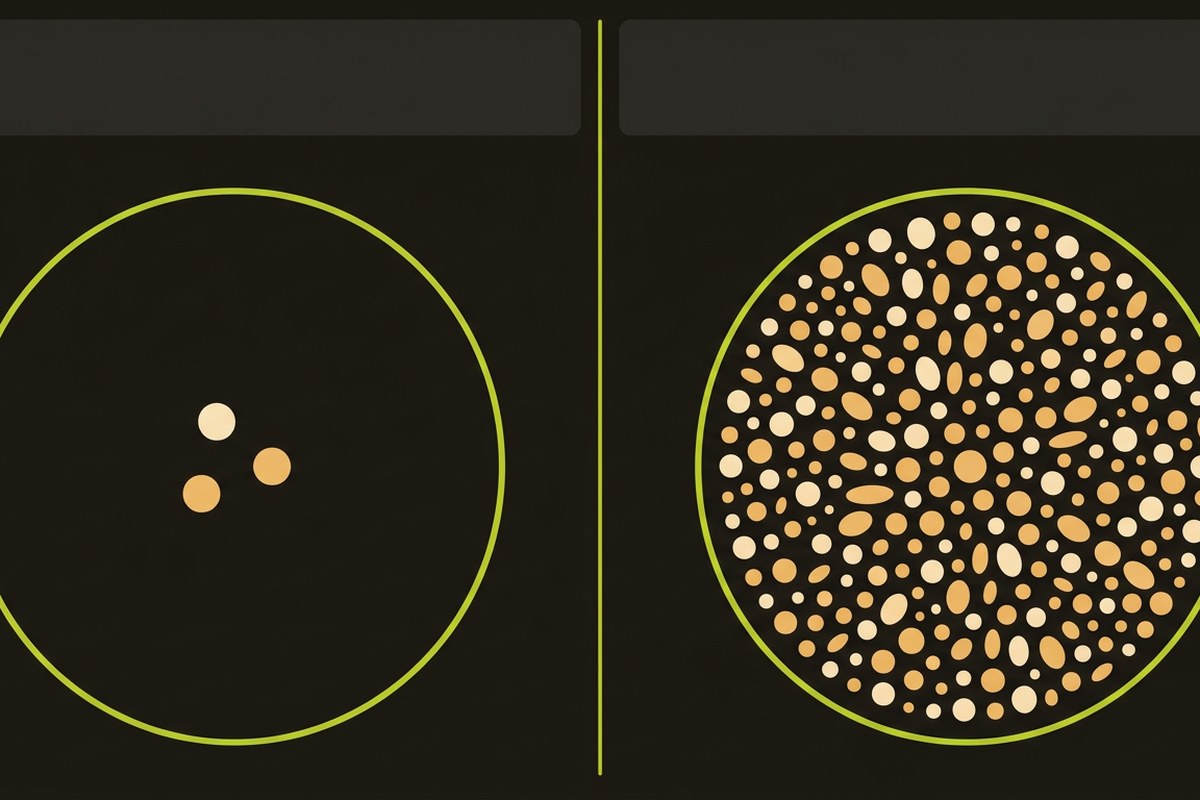
For most of the twentieth century, medicine taught that healthy urine was sterile. Better sequencing methods showed that was an artifact of how cultures were done — standard clinical culture only grows a narrow set of organisms.
We now know the bladder carries its own low-biomass microbial community. The research on the urinary microbiome is collected in PubMed Central, and it has been one of the more genuinely surprising shifts in urology this century.
Why that matters if your cultures come back negative
This is the part that lands hardest for people in our community. If you have urgency, frequency and burning but your culture is negative, you have probably been told there is nothing there. There may be something there that the culture was never designed to find — or you may be dealing with a different condition entirely.
The Interstitial Cystitis Association has spent years on precisely this confusion, because IC/BPS is routinely mistaken for repeated infection and vice versa. If you are on your third negative culture with ongoing symptoms, that is a conversation to have with a urologist rather than another course of antibiotics.
What You Can Actually Do
Think about the reservoir, not only the bladder
None of this makes gut care a substitute for medical care — a suspected infection needs a clinician, and an untreated bladder infection can reach the kidneys. But it does explain why so much recent thinking about recurrent urinary issues has moved upstream.
Practical, unglamorous things that support that upstream picture: adequate fluid, regular bowel habits, plenty of plant fiber, and not disrupting your gut flora more than necessary. The Office on Women's Health covers the standard urinary hygiene advice well; the gut side is what usually gets left out.
A note on antibiotics and probiotics
If you are prescribed antibiotics, take the full course. Separately, space any probiotic at least two hours away from an antibiotic dose so you are not simply feeding the capsule to the medication.
And introduce one thing at a time. If you have a sensitive bladder, a multi-strain probiotic that changes four variables at once tells you nothing when something shifts. We recommend consulting your healthcare provider before adding a supplement to a recurrent-infection picture. More context in Can Dehydration Cause UTIs? and in our guide to natural botanical support.
The Desert Harvest Difference

Our Probiotic is built for exactly the person described above. One capsule a day, one billion CFU of a single strain — Bifidobacterium infantis, 20 mg — with 200 mg of organic whole-leaf Aloe Vera at 200:1 alongside it. One strain means one variable, which is the whole point when your bladder reacts to everything.
It needs no refrigeration, contains no fillers or artificial ingredients, and is gluten-free, bladder-friendly and cGMP certified. Desert Harvest has been formulating for this community since 1993; the rest of the range sits in our bladder and urinary support collection.
"I can already tell a difference with my digestive issues" — Ronnie R., Verified Customer
The Bottom Line
If your infections keep returning, the useful question may not be what is happening in your bladder but what is living upstream of it — and that is a longer, slower, more interesting project than another antibiotic course. Bring the gut into the conversation with your clinician, change one variable at a time, and give any change several months before you judge it. Subscribe to the Probiotic and every subscription order ships free.
These statements have not been evaluated by the Food and Drug Administration. This product is not intended to diagnose, treat, cure, or prevent any disease. This content is for informational purposes only and does not constitute medical advice. Always consult with a qualified healthcare provider before making changes to your health regimen.