


Menopause and Your Immune System: The Shift Nobody Warns You About
Why do so many women say they seem to catch everything after 50? It is one of the most common remarks in menopause forums and one of the least discussed in the appointment room, where the conversation understandably stays with hot flashes and sleep.
Two separate changes are arriving at the same time, and only one of them is about hormones. Understanding both is worth more than any single product recommendation — especially heading into the season when households start circulating everything again.
Two Changes, One Decade
Immune aging happens on its own schedule
Immune function shifts gradually across adult life. Thymus output declines, the proportion of naive to memory T cells changes, and low-grade background inflammation tends to rise — a pattern described in the literature as immunosenescence.
This happens to everyone, men included, and it is not caused by menopause. Research indexed in PubMed has characterized it extensively. It simply lands in the same decade for most women, which makes the two easy to confuse.
Estrogen is an immune signal too
Estrogen receptors appear on many immune cell types, which is one reason autoimmune conditions are so much more common in women and why immune behavior often shifts around the menopause transition.
When estrogen falls, that signaling changes. The practical experience — longer recovery, more frequent minor illness, sometimes a change in an existing autoimmune pattern — is real and is worth raising with your clinician. The North American Menopause Society is a good non-commercial reference to bring to that conversation.
The Iron Variable
Menopause changes your iron picture in both directions
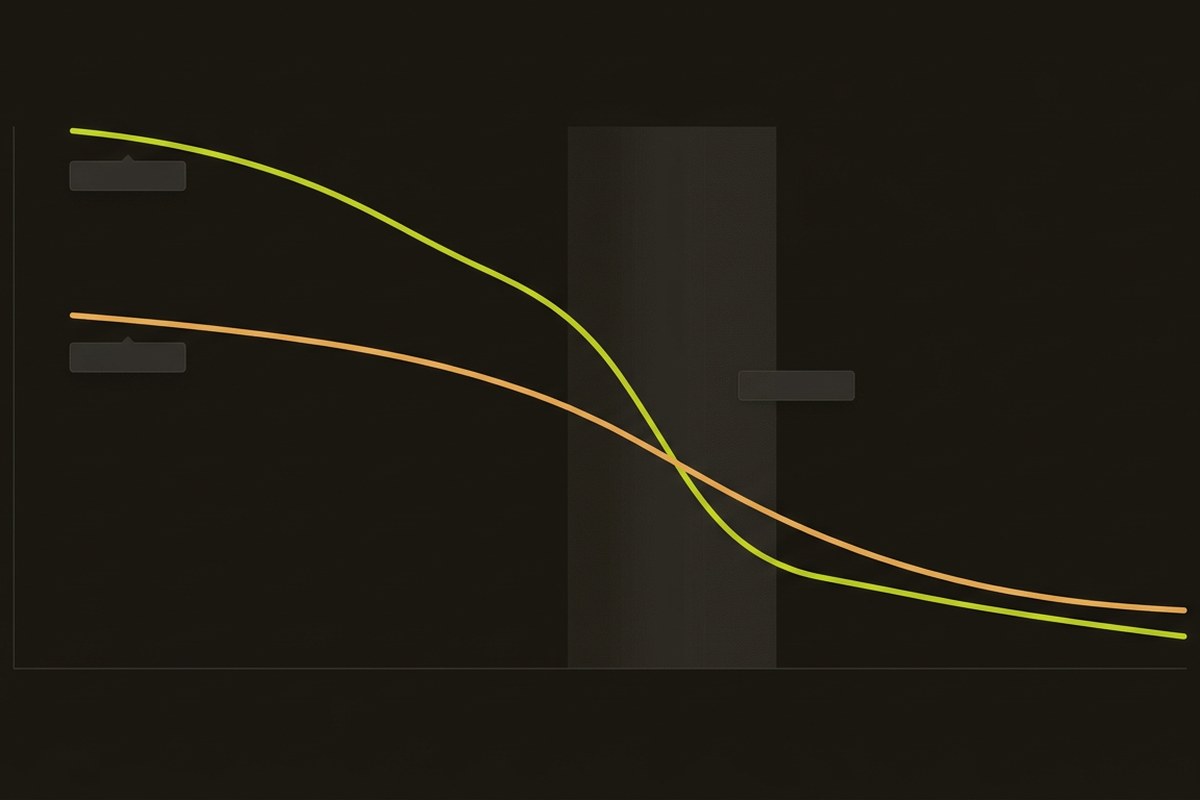
For decades, monthly blood loss made iron deficiency common. Once periods finish, the drain ends — and for many women iron gradually accumulates instead.
Both ends of that range matter. Too little iron causes fatigue and reduced immune competence; too much is its own concern. The NIH Office of Dietary Supplements covers the full range, and the only honest way to know where you sit is a blood test rather than a guess.
Why iron and immunity are tied together
Iron is not only yours. Bacteria need it too, and one of the oldest strategies in innate immunity is simply to withhold it — sequestering iron so invading organisms cannot access it.
Lactoferrin is central to that mechanism. It is an iron-binding protein your body already makes, found in tears, saliva, mucosal secretions and breast milk, and studies cataloged in PubMed Central have examined its dual role in iron transport and innate defense for many years.
Where women's health sits in that picture
The overlap is the interesting part: a protein that participates in iron handling and in immune activity at mucosal surfaces is relevant to exactly the two systems shifting at once after 50. The Office on Women's Health covers the broader menopause picture worth reading alongside it.
Human-Identical Versus Bovine
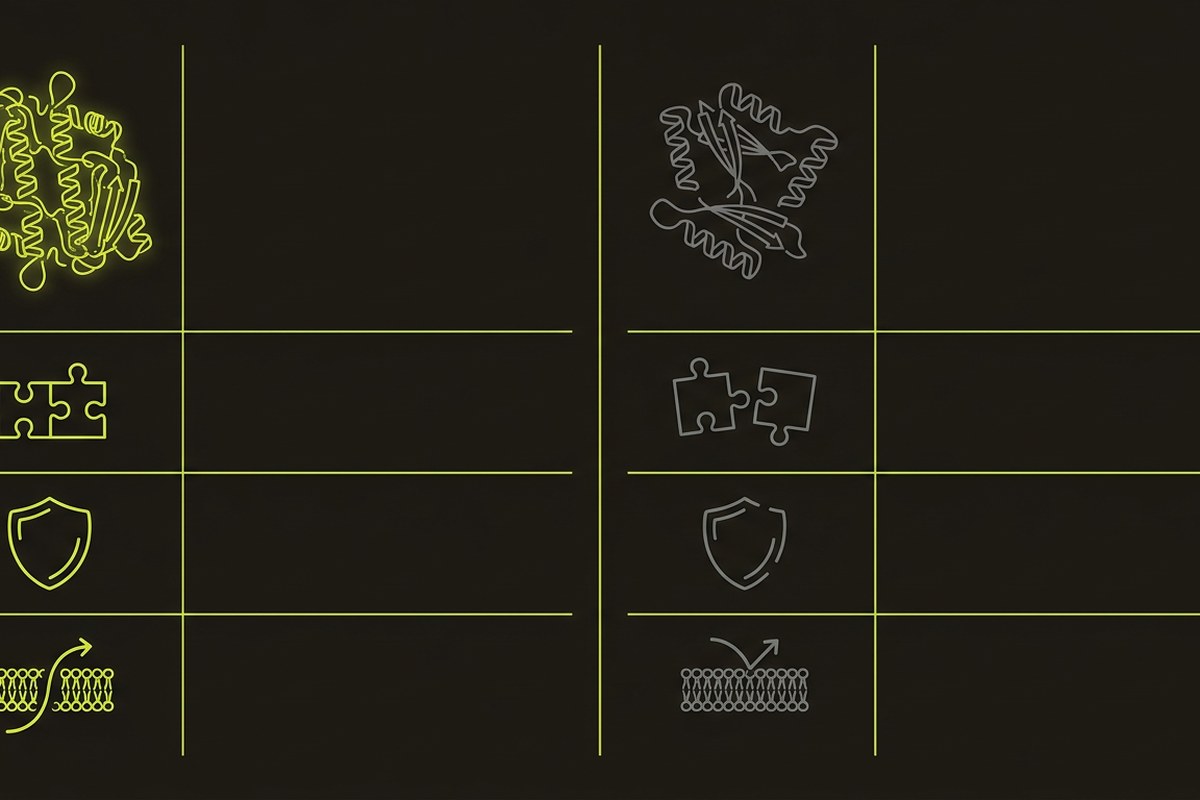
Most lactoferrin supplements on the market are bovine — derived from cow's milk. It is a well-studied protein, but it is not the same molecule as the human form; the amino acid sequences differ, and so do glycosylation patterns.
Human-identical lactoferrin is structurally the same protein your own body produces. Research suggests that structural match may support better compatibility and lower immune reactivity than a foreign-species version, which matters most to people whose systems already react to a great deal.
The Desert Harvest Difference
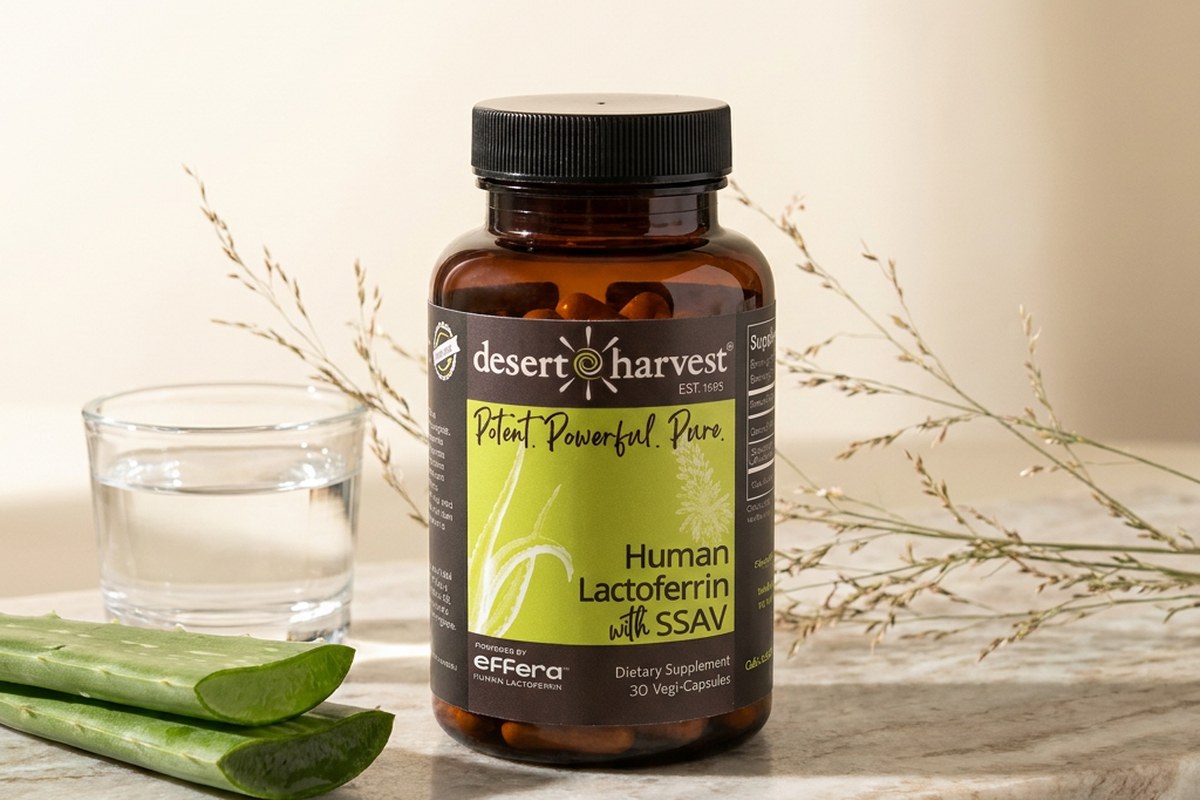
Human Bioidentical Lactoferrin is the first and only supplement built on effera® human-identical lactoferrin — 300 mg per capsule, paired with 40 mg of SSAV (Super-Strength Aloe Vera) to support absorption and gentleness. One capsule daily in the morning on an empty stomach, 30 minutes before breakfast. 30 capsules per bottle.
Two things to know before you start. Lactoferrin increases iron levels, so monitor them if you also take an iron supplement. And speak with your doctor first if you take immunosuppressants or antibiotics, since lactoferrin may reduce their effectiveness. It is a complement to, not a replacement for, Super-Strength Aloe Vera — see the whole bladder and women's health range.
"I really like this product! I have more energy and I sleep a ton better! I would recommend this for anyone going through or post menopausal." — MJ A., Verified Customer, Human Bioidentical Lactoferrin
Hormone-free, dairy-free, soy-free, cGMP certified, third-party tested, made in the USA.
The Bottom Line
The immune changes women notice after 50 are the sum of two independent shifts — ordinary immune aging and the loss of estrogen's signaling — and iron sits quietly at the intersection of both. Get your iron measured rather than guessed, take the menopause conversation past hot flashes, and give the immune question its own place on the agenda.
Subscribe to Human Bioidentical Lactoferrin and every subscription order ships free.
These statements have not been evaluated by the Food and Drug Administration. This product is not intended to diagnose, treat, cure, or prevent any disease. This content is for informational purposes only and does not constitute medical advice. Always consult with a qualified healthcare provider before making changes to your health regimen.