


The Lactoferrin Study Everyone Cites Was Never a Clinical Trial
The Study Behind the Headlines
Search "lactoferrin bladder" or "lactoferrin interstitial cystitis" and one 2024 study keeps surfacing — cited in forum threads, supplement listings, and short videos as if it settled the question. It didn't. It's a retrospective pilot study of 31 women with interstitial cystitis/bladder pain syndrome (IC/BPS) who had already been taking oral bovine lactoferrin capsules. Researchers looked back at their symptom records afterward. There was no placebo group and no random assignment — the two features that let a study show cause and effect instead of just a correlation.
One detail rarely makes it into the recap: the lactoferrin used was bovine (from cow's milk), not human-identical. That distinction matters more than it sounds — different forms of a protein can behave differently in the body, and lumping them together under one word flattens a meaningful variable.
Retrospective vs. Randomized: A Plain-Language Guide
A retrospective study looks backward. Researchers pull existing records — chart notes, surveys, pharmacy data — and search for patterns after the fact. That's a genuinely useful first step; it can generate a hypothesis worth testing properly. What it cannot do is show that a supplement caused an improvement, because there's no comparison group showing what would have happened without it, and no randomization to rule out who was already more likely to improve regardless.
A prospective, randomized controlled trial is built the opposite way: designed before anyone enrolls, with participants randomly assigned to the supplement or a placebo so the effect of the ingredient itself can be isolated. Before trusting a supplement claim online, ask:
- Was there a placebo or comparison group?
- Were participants randomly assigned, or just observed after the fact?
- Was the study designed in advance, or built from existing records?
- How many people were involved, and for how long?
- Where was it published, and has anyone else repeated it?
It's a standard we hold our own research to as well — see our clinical studies page for how we source and describe the evidence behind Desert Harvest formulations.

Where the Science Is Genuinely Solid: Estrogen and the Bladder
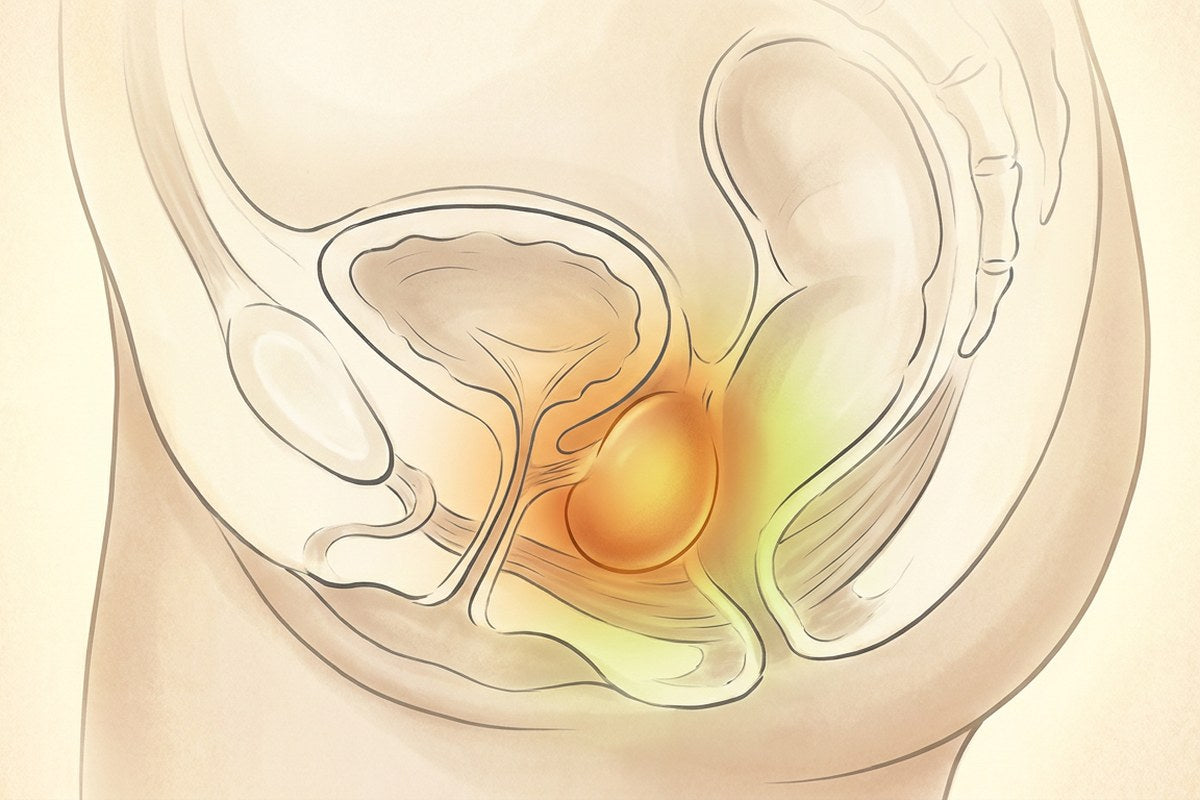
Here's what that retrospective study can't tell you, but decades of endocrinology can: the bladder, urethra, and trigone are dense with estrogen receptors, and the urothelium — the bladder's inner lining — depends on estrogen to stay thick, well-supplied with blood, and resistant to irritation.
As estrogen declines through perimenopause and into menopause, that lining thins. A thinner, less protected urothelium is more easily irritated by ordinary bladder filling and everyday triggers, which is a well-documented reason so many women in their 40s and 50s develop new urgency, frequency, or IC-like discomfort right around this transition — sometimes with no infection in sight.

It Has a Name: Genitourinary Syndrome of Menopause
The Menopause Society and the International Society for the Study of Women's Sexual Health named this pattern genitourinary syndrome of menopause, or GSM, in 2014 — replacing the older, narrower term "vaginal atrophy." GSM covers estrogen-related changes across the vulva, vagina, urethra, and bladder together, and its urinary symptoms — urgency, frequency, discomfort, more frequent urinary tract infections — often look and feel a great deal like IC/BPS.
Despite how common it is, GSM rarely comes up in casual conversation. It's entirely possible to spend years describing "bladder issues" without the term ever entering the room. The Menopause Society and the American Urological Association's patient resources both describe it directly, and it's worth reading the NIDDK's overview of IC/BPS alongside GSM material if your symptoms started around perimenopause — the overlap between the two is significant enough to change what's worth asking about.
Where Human Lactoferrin Fits — and What to Ask Your Doctor
Our Human Lactoferrin is human-identical (effera®), not the bovine form used in the retrospective study above. It's part of our menopause support collection partly because lactoferrin is of interest to researchers for how it interacts with estrogen-related pathways in the body — an active area of study, not a settled one. Research in this area continues in journals like Menopause.
To be direct: we are not positioning Human Lactoferrin as a bladder therapy, and it isn't something we'd point to for genitourinary syndrome of menopause. The honest state of the lactoferrin-and-bladder research is exactly what the first half of this article described — early, retrospective, and not yet the kind of evidence that supports a specific claim. We'd rather say that plainly than let one non-randomized study do more work than it can.
What we would say: if new bladder urgency, frequency, or pelvic discomfort has shown up around perimenopause or menopause, that timing is worth raising with your gynecologist or primary care provider by name — ask specifically about genitourinary syndrome of menopause and estrogen-related change. It's diagnosable, it's common, and there are well-established options a provider can walk you through. This article is educational and shouldn't replace that conversation.
These statements have not been evaluated by the Food and Drug Administration. This product is not intended to diagnose, treat, cure, or prevent any disease. This content is for informational purposes only and does not constitute medical advice. Always consult with a qualified healthcare provider before making changes to your health regimen.