

Is Lactoferrin Dairy-Free? Lactose, Milk Allergy and What to Check
The Answer Depends on the Source
"Is lactoferrin dairy-free?" has two answers, because the word covers two very different products. A review in Critical Reviews in Food Science and Nutrition notes that lactoferrin is primarily extracted from bovine milk, which makes most lactoferrin on the market a milk protein. Human-identical lactoferrin made by fermentation does not come from a cow at all.
So the first thing to find out is where a product's lactoferrin came from. The name alone will not tell you, since the "lacto" in lactoferrin is about where the protein was first found, not about what is in your capsule. Here is how to sort it out.
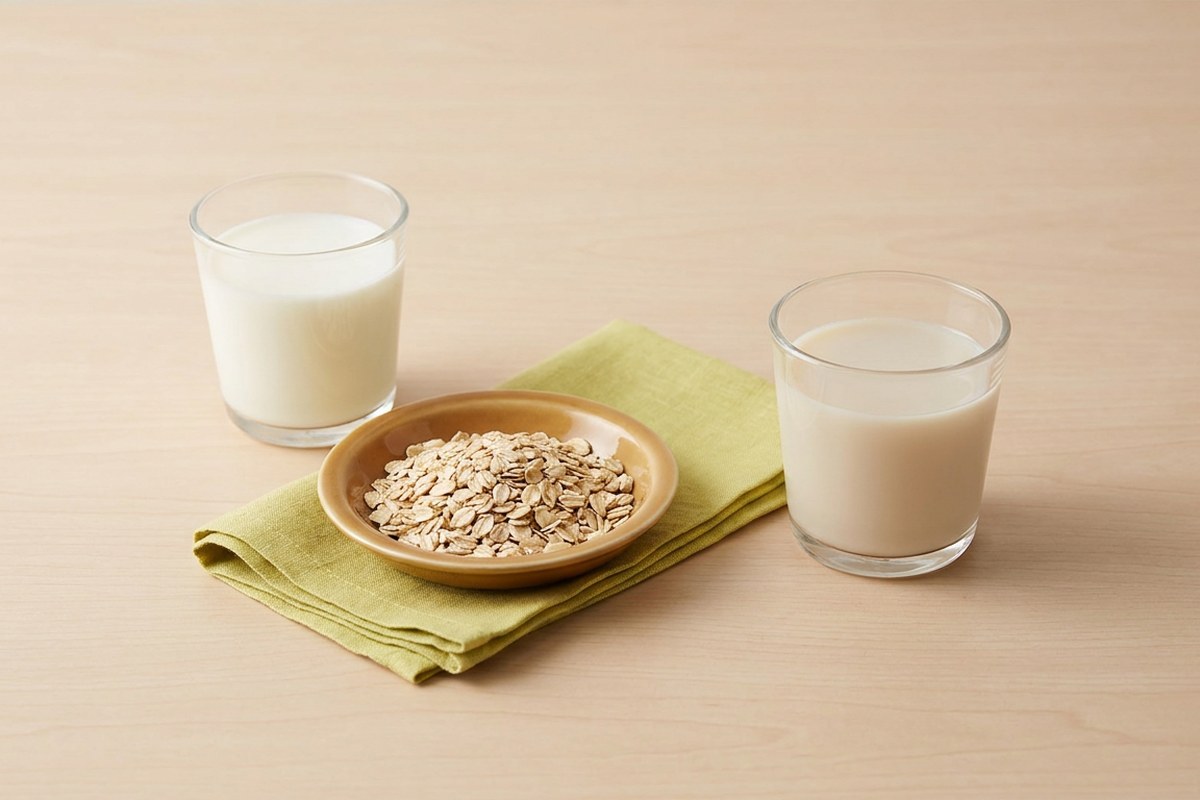
Lactose Intolerance and Milk Allergy Are Different
These two get mixed up all the time, and the difference changes what you should look for. The National Institute of Diabetes and Digestive and Kidney Diseases explains that lactose intolerance means digestive symptoms such as bloating, diarrhea and gas after foods or drinks containing lactose. Lactose is a sugar in milk. A milk allergy, by contrast, is an immune system disorder.
In practice, the two questions are not the same:
- Lactose intolerance is about a sugar. Many people can have some lactose without symptoms, and the amount differs from person to person.
- A milk allergy is about proteins. Lactoferrin from cow's milk is itself a milk protein.
A 2018 review in Annals of Nutrition and Metabolism notes that the gut symptoms of lactose intolerance can look like cow's milk allergy, and can be wrongly labeled as "milk allergy." If you are not sure which you have, it is worth asking for a proper workup before you decide what to avoid. An allergy deserves more caution than an intolerance, so it helps to know which one you are dealing with.

What Bovine Lactoferrin Means for You
Bovine lactoferrin is purified from cow's milk, so it is not dairy-free by source. How much lactose remains can differ between products, and we cannot speak for other brands. If lactose is your concern, ask the maker directly.
If you have a milk allergy, the question is more serious. Milk is one of the nine major food allergens identified by law in the United States, according to the U.S. Food and Drug Administration. Read the label for a "contains milk" statement, and talk to your allergist before you try any milk-derived supplement.
There is also a rarer concern. A 2021 study in Allergy looked at 38 people with alpha-gal syndrome who had IgE antibodies to milk. It identified bovine lactoferrin as one of the milk proteins recognized by their antibodies. Alpha-gal is an allergy to a sugar in mammal products, so if you have been told you have it, mention lactoferrin specifically. Our guide on who should avoid lactoferrin covers the other situations worth raising.
What Human-Identical Lactoferrin Is
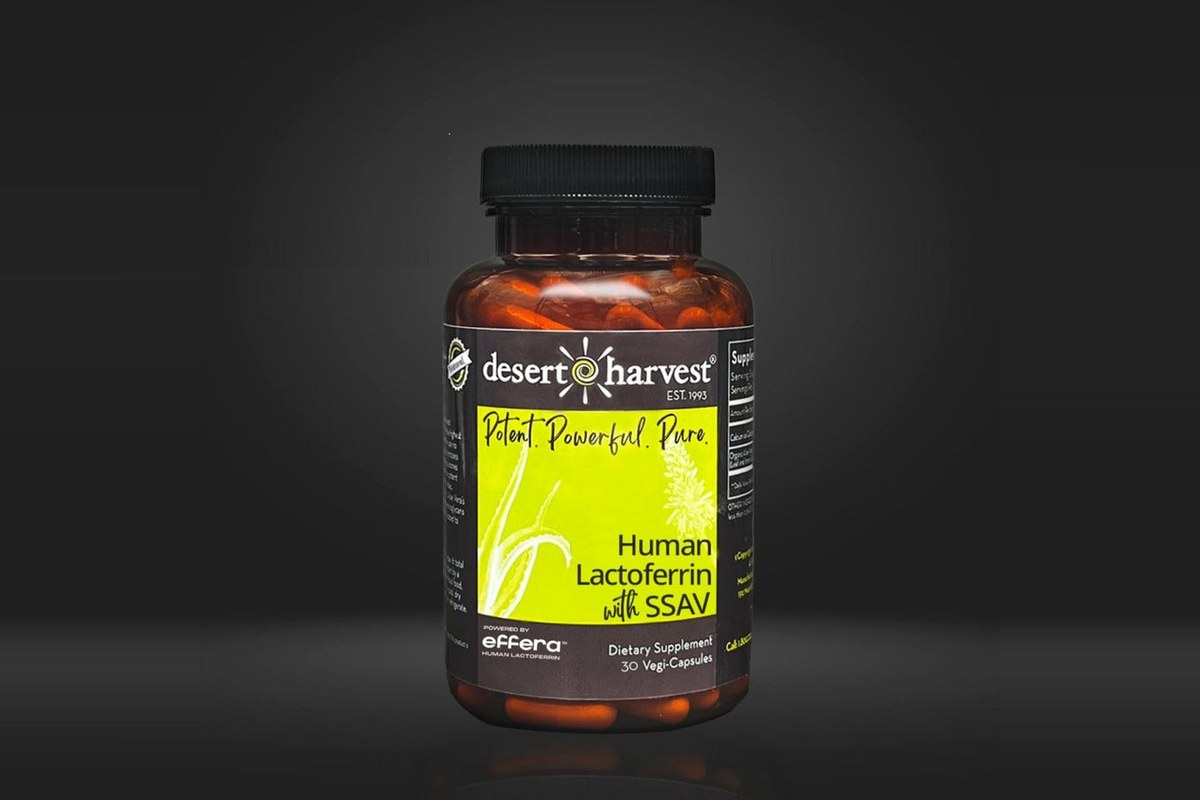
Human-identical lactoferrin takes a different route. Our Human Bioidentical Lactoferrin uses effera®, which is made by fermentation using a yeast, so it is vegan and dairy-free. It is structurally identical to the lactoferrin your body makes. The capsule holds 300 mg of effera®, 40 mg of Aloe Vera, a tapioca starch shell and less than 0.5% silicon dioxide.
Researchers have compared the immune response to the two forms. In a randomized 28-day trial of 66 healthy adults, antibodies against bovine lactoferrin about tripled in the bovine group by Day 56. There was no change in antibodies against human lactoferrin in the groups taking effera®. Several authors work for the company that makes effera®, and the trial was in healthy adults, so it does not tell you how a person with an allergy would respond.
Dairy-free does not mean allergy-tested for you. If you have ever had a severe allergic reaction, speak to your allergist first. Our comparison of human and bovine lactoferrin explains more of the differences between the two, including how most of the published research was done on the bovine form.
If You Avoid Dairy at Midlife
One more thought for women who avoid dairy. Many people drop milk and cheese for good reasons, and that can quietly lower your calcium intake just when your bones need attention. The American College of Obstetricians and Gynecologists notes that women lose bone more rapidly during the first 4 to 8 years after menopause. Your provider can help you plan food sources or a supplement that suits you.
Here is a quick checklist for any lactoferrin label:
- Does it say where the lactoferrin comes from, bovine or fermentation?
- Is there a "contains milk" statement?
- Does the maker say what it has tested for?
- Is the amount per capsule stated in milligrams?
If you already take an iron supplement, monitor your levels, and if you take antibiotics or immunosuppressants, talk with your doctor first. We recommend consulting with your healthcare provider to determine if this is right for you.
These statements have not been evaluated by the Food and Drug Administration. This product is not intended to diagnose, treat, cure, or prevent any disease. This content is for informational purposes only and does not constitute medical advice. Always consult with a qualified healthcare provider before making changes to your health regimen.