


Why the Same UTI Keeps Coming Back: The Immune Side of the Equation
If antibiotics clear an infection completely, why does it find the same person again eight weeks later?
That question sits underneath one of the most frustrating patterns in women's health. Clinically, two infections in six months or three in twelve months is what counts as recurrent — the threshold carried in the AUA/CUA/SUFU recurrent UTI guideline and in the Urology Care Foundation's patient guide to urinary tract infections. Reaching that threshold is not a sign that you did anything wrong. It usually means the conversation has been about the bacteria and not about the terrain they keep landing in.
Recurrence Is a Pattern, Not a Personal Failing
The bacteria were never really gone
E. coli from the gut is behind the large majority of uncomplicated urinary tract infections, according to the National Institute of Diabetes and Digestive and Kidney Diseases. That reservoir does not disappear when a course of antibiotics ends. It sits where it always sat, a few centimeters away.
So recurrence is rarely about a "new" infection arriving from outside. It is about the same neighbors making the same short trip, and finding conditions they can settle in.
Why the same person, over and over
Anatomy plays a role — a shorter urethra means a shorter journey. So does the drop in estrogen after menopause, which thins urogenital tissue and shifts the local flora. So does anything that empties the bladder incompletely.
Diabetes, pelvic floor dysfunction and certain contraceptives can each tilt the odds as well. None of that is behavioral. Which is why "drink more water and be more careful" lands so badly when you have already been doing both for two years.
The Immune Side of the Equation
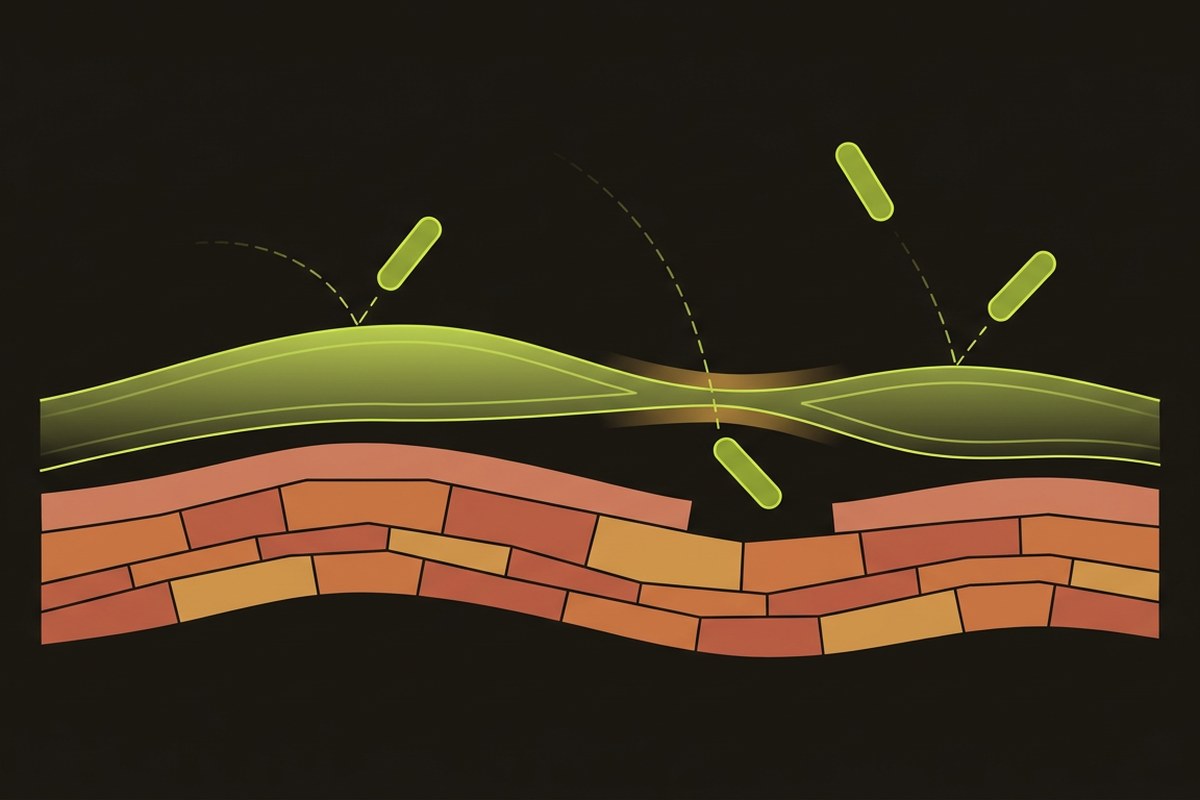
Your bladder lining is an immune organ
The urothelium is not passive plumbing. It secretes antimicrobial peptides, maintains a protective surface layer, and mounts a local response when bacteria adhere. Research collected in PubMed Central has examined this innate defense in detail.
When that surface layer is compromised — by inflammation, by hormonal change, by repeated courses of antibiotics disturbing the surrounding flora — bacteria that would ordinarily be flushed out get a foothold instead.
Sleep, stress and blood sugar are not side issues
Immune function is not a constant. Short sleep, sustained stress and poorly regulated blood glucose all measurably affect immune response, which is precisely why infections tend to cluster in the worst months of a year rather than spreading evenly across it.
The microbiome connection
Gut flora and urogenital flora are neighboring communities, and antibiotics affect both. Studies indexed in PubMed have examined Lactobacillus populations and urogenital health, which is why probiotics keep appearing in this conversation. The evidence is developing rather than conclusive, and honest framing matters more here than enthusiasm.

Supporting Resilience, Day to Day
The foundations, still
Steady fluids across the day. Complete bladder emptying rather than rushing. A protected sleep window. Regularity, since a loaded bowel crowds the bladder. None of it is exciting; all of it is load-bearing.
Where beta-glucans fit
Beta-glucans are structural polysaccharides in mushroom cell walls, and they are the most studied component of functional mushrooms. Research indexed in PubMed has examined how they interact with immune cells.
The honest position: this is a support role and a slow one. Beta-glucans are not an antimicrobial, they are not a substitute for medical care, and an active infection needs a clinician the same day — not a capsule.
Keep your provider in the loop
Recurrence deserves a proper investigation rather than another empiric prescription. Bring your log, ask about post-menopausal vaginal estrogen if that applies to you, and mention every supplement you take.
The Desert Harvest Difference
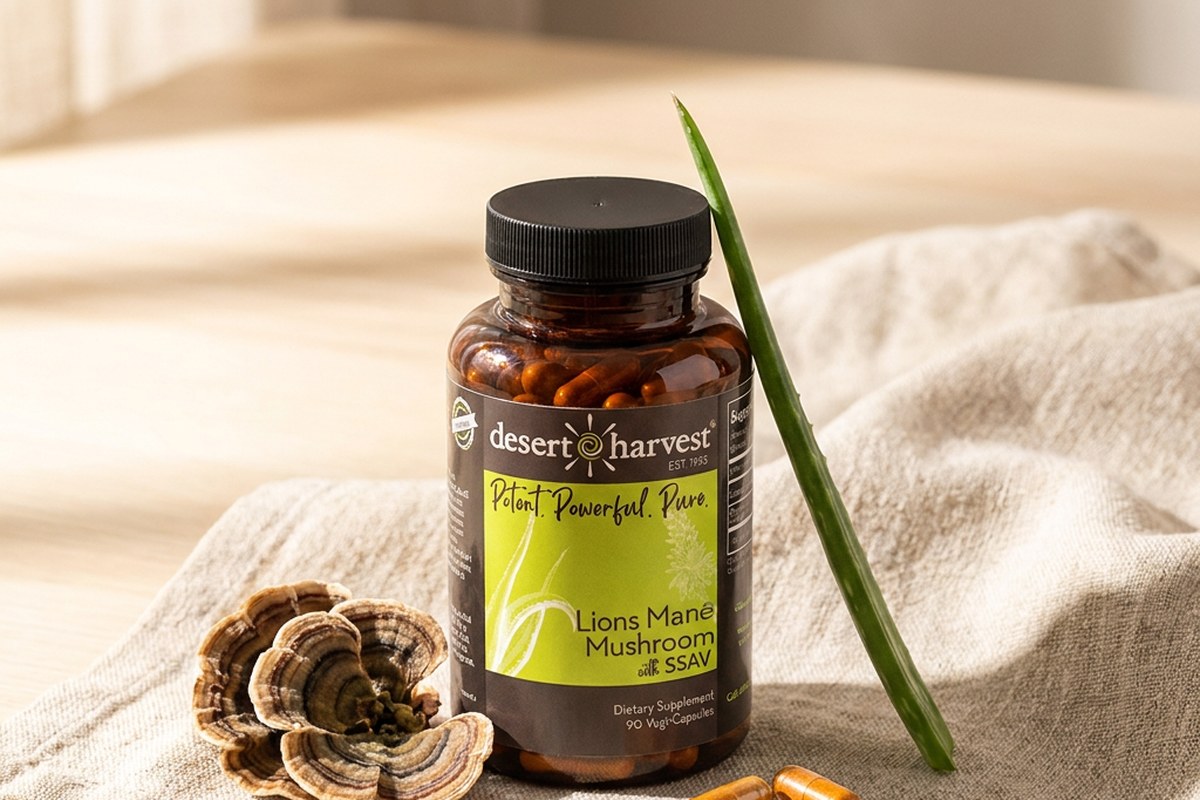
Turkey Tail (Trametes versicolor) has traditionally been used to support healthy immune and liver function, and it is one of the most studied mushrooms in the beta-glucan literature. Ours provides 392 mg of fruiting body only — no mycelium, no grain filler — plus 98 mg of organic SSAV (Super-Strength Aloe Vera) per capsule, one a day, at $30.
Alongside it, Heather's UTI Defense pairs 300 mg of Calluna vulgaris with 300 mg of Aloe Vera for daily urinary tract support, and our Probiotic delivers one billion CFU of Bifidobacterium infantis with 200 mg of SSAV — taken at least two hours away from any antibiotic. All three live in our bladder health collection.
Turkey Tail is not for use during pregnancy or lactation. If you take pharmaceutical medication or manage an immune condition, talk to your doctor before starting.
The Bottom Line
Repeat infections are a terrain problem more than a bacteria problem. The reservoir is not going anywhere, so the useful levers are the ones that support your own defenses: sleep you protect, fluids you actually drink, flora you do not needlessly disturb, and a clinician who investigates rather than re-prescribes.
Subscribe to Turkey Tail and every subscription order ships free.
These statements have not been evaluated by the Food and Drug Administration. This product is not intended to diagnose, treat, cure, or prevent any disease. This content is for informational purposes only and does not constitute medical advice. Always consult with a qualified healthcare provider before making changes to your health regimen.