

Calcium Glycerophosphate and Food Acidity: What to Know
Nearly 90% Report a Food Sensitivity
Nearly 90% of patients with interstitial cystitis or bladder pain syndrome (IC/BPS) report sensitivities to foods and drinks, according to a review in BJU International. Coffee, citrus, tomatoes, tea, carbonated and alcoholic drinks, and spicy foods come up again and again.
That is why one mineral salt keeps coming up in bladder conversations. Here is what you should know about calcium glycerophosphate, without the hype: what it is, what the evidence does and does not say, and how people use it.
What Calcium Glycerophosphate Is
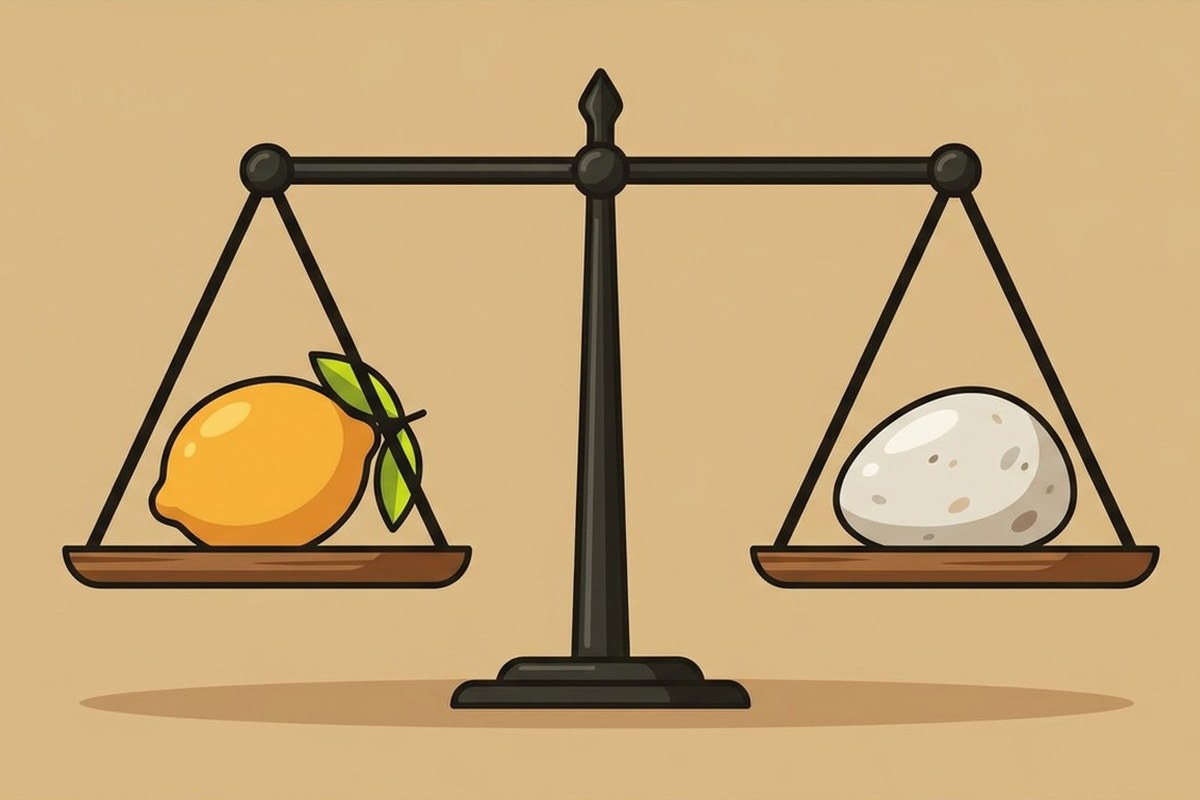
Calcium glycerophosphate is a mineral compound that combines calcium with glycerophosphate, a form of phosphorus. Our label says it is taken to raise the pH of acidic food or drink, and a higher pH means less acid.
The everyday idea is simple. Taken alongside an acidic food or drink, it may help lower the acidity of that food. A review of complementary approaches in Reviews in Urology describes it as reducing titratable acids in foods, and lists it among the nutraceuticals studied in IC. It is one option among several that people look at, and the research is still modest.
You will usually see it as a capsule, a caplet or a powder. It is a dietary supplement, not a medicine, and a label will tell you how much of the compound you get in each serving. Because the compound is partly calcium, a serving also adds a modest amount of calcium to your day.

What the Evidence Does and Does Not Say
It is worth being plain here. Much of what we know about food and the bladder comes from questionnaires, not from large controlled trials.
A 2024 systematic review on diet and bladder pain syndrome found that people frequently report sensitivity to acidic and spicy foods, caffeine and alcohol. The same review notes a lack of robust evidence for any one specific diet. The role of diet is still being debated.
The Interstitial Cystitis Association encourages a step-by-step approach. Start with the most common irritants, leave them out for a few weeks, and then add foods back one at a time. Your list is personal. Some people react to coffee and not to tomatoes, and some the other way around.
The review in BJU International makes a similar point. Its authors recommend a controlled method to determine your own sensitivities, in a way that still keeps your nutrition on track. In other words, the goal is the longest food list you can comfortably keep, not the shortest one. Researchers are also still working out whether acid itself is the reason certain foods bother some people, or whether other food chemicals play a part.
So calcium glycerophosphate is not a pass to eat anything. Many people see it as one tool within a careful food routine, and some find it makes a favorite food easier to enjoy. If a food still bothers you, trust what your body tells you, and mention it to your provider.
How People Use It
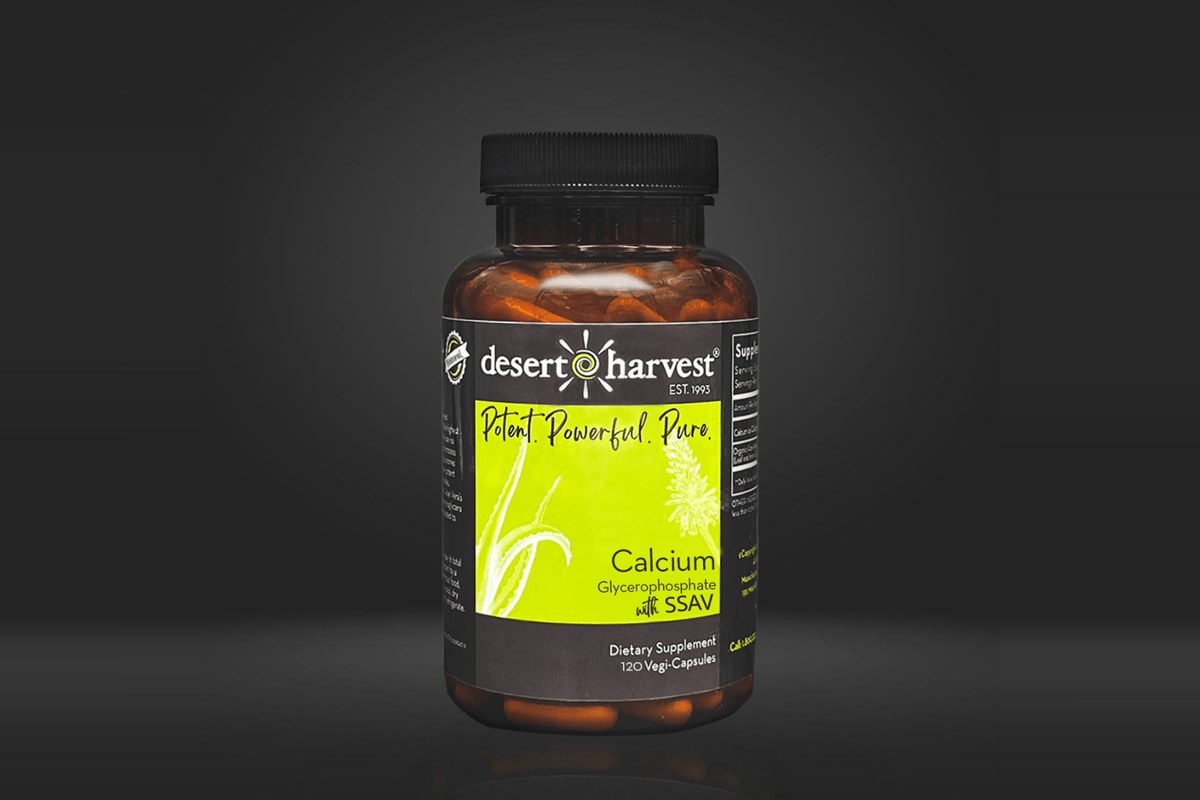
Desert Harvest's Calcium Glycerophosphate label is simple:
- Take one capsule before acidic food or drink, or as directed by a healthcare professional.
- Each capsule has 230 mg of calcium glycerophosphate.
- It also contains a small amount of our SSAV (Super-Strength Aloe Vera) as a carrier to enhance absorption.
- Capsules are vegan and gluten-free, and there are 120 in a bottle.
Customers often keep a few in a bag for dinners out. One verified customer, Jacquelyn D., wrote: "I use a capsule before each cup of my morning joe! Good product!" Experiences vary from person to person, and you can read more on our reviews page.
If you already take a calcium supplement, count this as part of your total. Let your healthcare provider know, especially if you have kidney concerns or take other medicines.
A simple way to start is to pick one food you have been missing. Take a capsule first, as the label directs, have a small portion, and write down how the next several hours go, including anything you notice later that evening. Try it on a day when nothing else has changed. If you try three new things at once, you will not know which one made the difference.
A Note on Balance
Calcium can be constipating for some people. Heather Florio, our CEO, suggests offsetting calcium intake with equal parts magnesium to help avoid calcium-based constipation. Ask your provider how much is right for you, since the NIH Office of Dietary Supplements sets an upper limit for magnesium from supplements.
For more about the broader picture, NIDDK's page on interstitial cystitis is a good, plain starting point, and our clinical studies page gathers the research behind our own products.
We recommend consulting with your healthcare provider to determine if this is right for you. A short food diary, kept for a couple of weeks, will make that conversation much easier.
These statements have not been evaluated by the Food and Drug Administration. This product is not intended to diagnose, treat, cure, or prevent any disease. This content is for informational purposes only and does not constitute medical advice. Always consult with a qualified healthcare provider before making changes to your health regimen.