


Why "Buffered" Vitamin C Matters When Your Bladder Is Sensitive
The same 400 mg of vitamin C can reach your stomach at roughly the pH of a cola or at close to neutral, depending entirely on which form is in the capsule. That single variable is why vitamin C appears on almost every interstitial cystitis trigger list ever published — and on almost every immune-support recommendation ever written.
Both lists are right. They are simply describing different molecules under the same name.
Vitamin C Is a Job Description, Not a Molecule
What the nutrient actually does
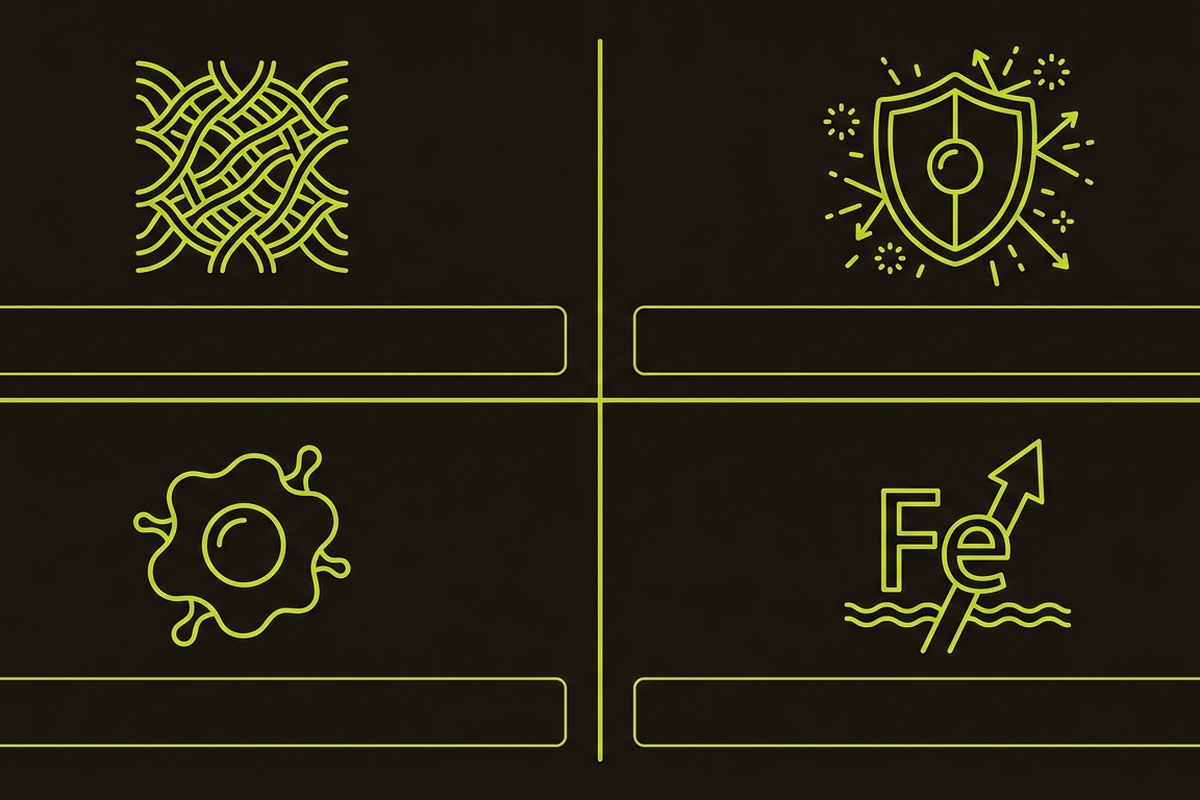
Vitamin C is required for the synthesis of collagen, which makes it structural rather than optional — connective tissue, blood vessels and skin all depend on it. It functions as an antioxidant, participates in the synthesis of certain neurotransmitters, and supports normal immune function.
It also markedly improves absorption of non-heme iron, the plant-sourced form. The NIH Office of Dietary Supplements fact sheet is the clearest public summary of all of it, including the tolerable upper intake level of 2,000 mg per day for adults.
Humans cannot make it
Most mammals synthesize their own vitamin C. Humans, other primates and guinea pigs carry a broken gene for the final enzyme in that pathway, which is why it has to arrive daily from food or supplements. There is no reservoir to draw on.
Ascorbic Acid Versus the Mineral Ascorbates
The acid form is genuinely acidic
Plain ascorbic acid is, as the name promises, an acid. Dissolved in water it is strongly acidic — which is fine for most people and unremarkable in an orange, but it is exactly the property that sends a sensitized bladder or a sensitive stomach into complaint.
Buffering changes the pH, not the vitamin
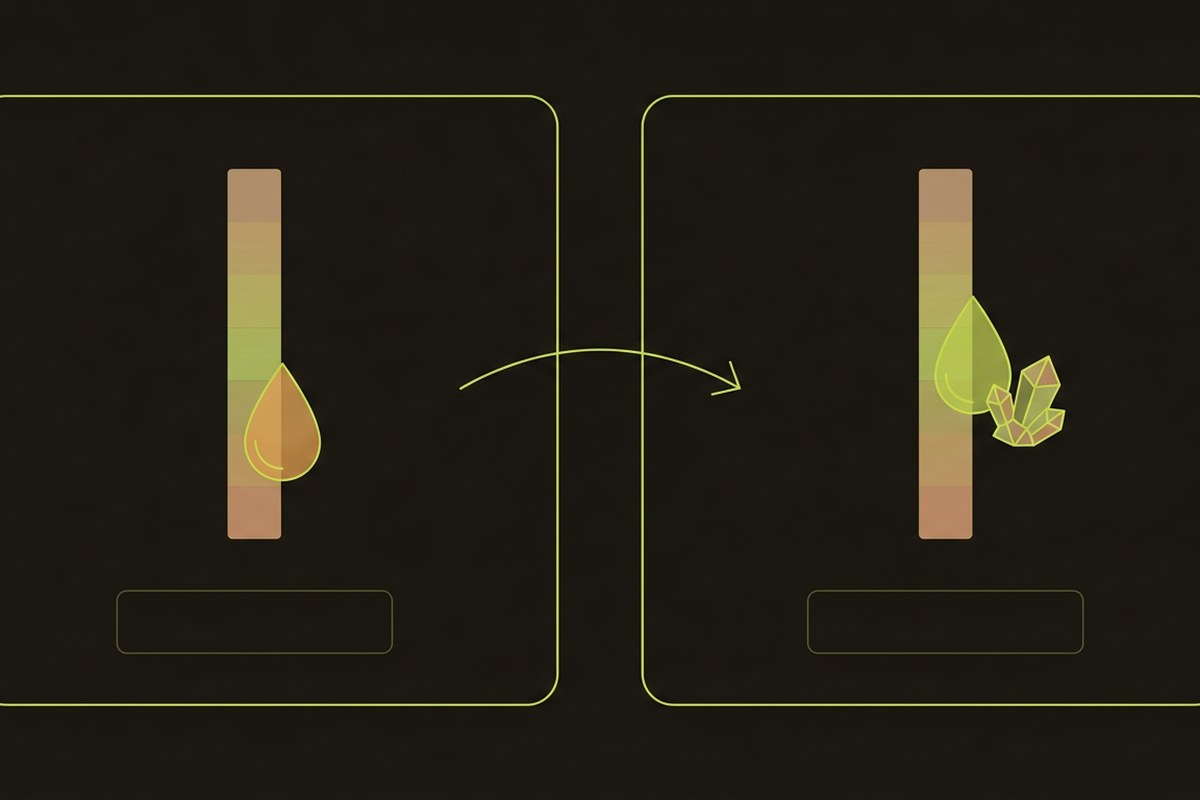
A mineral ascorbate is ascorbic acid that has already reacted with a mineral — calcium, in the case of calcium ascorbate. The result is a salt that dissolves near-neutral instead of strongly acidic.
The vitamin C itself is chemically identical once absorbed. Research indexed in PubMed has compared bioavailability across forms without finding meaningful differences in absorption; what changes is the acidity on the way in, not the nutrient at the destination.
Why this matters for a sensitive bladder
Ascorbic acid is a common enough reported trigger that the Interstitial Cystitis Association discusses it directly, while noting that plenty of people tolerate buffered forms without difficulty. Studies cataloged in PubMed Central have examined dietary acid and lower urinary tract symptoms more broadly.
The practical consequence is that "I cannot take vitamin C" is often really "I cannot take ascorbic acid" — a much smaller and far more tractable statement.
Getting the Practical Details Right
Timing and dose
Vitamin C is water-soluble and absorption efficiency falls as a single dose rises, so two smaller doses across the day generally beat one large one. Excess is excreted rather than stored.
Food first, supplement second
Bell peppers, broccoli, strawberries, kiwi and citrus are all substantial sources. If some of those are on your own trigger list, a buffered supplement is a reasonable way to close the gap. The NIDDK is worth reading alongside any dietary change if you manage a bladder condition.
The interactions worth knowing
High-dose vitamin C increases iron absorption, which matters if you have hemochromatosis or already supplement iron. It can also interfere with certain laboratory tests. If you have a history of kidney stones or impaired kidney function, discuss dosing with your provider before starting.
The Desert Harvest Difference
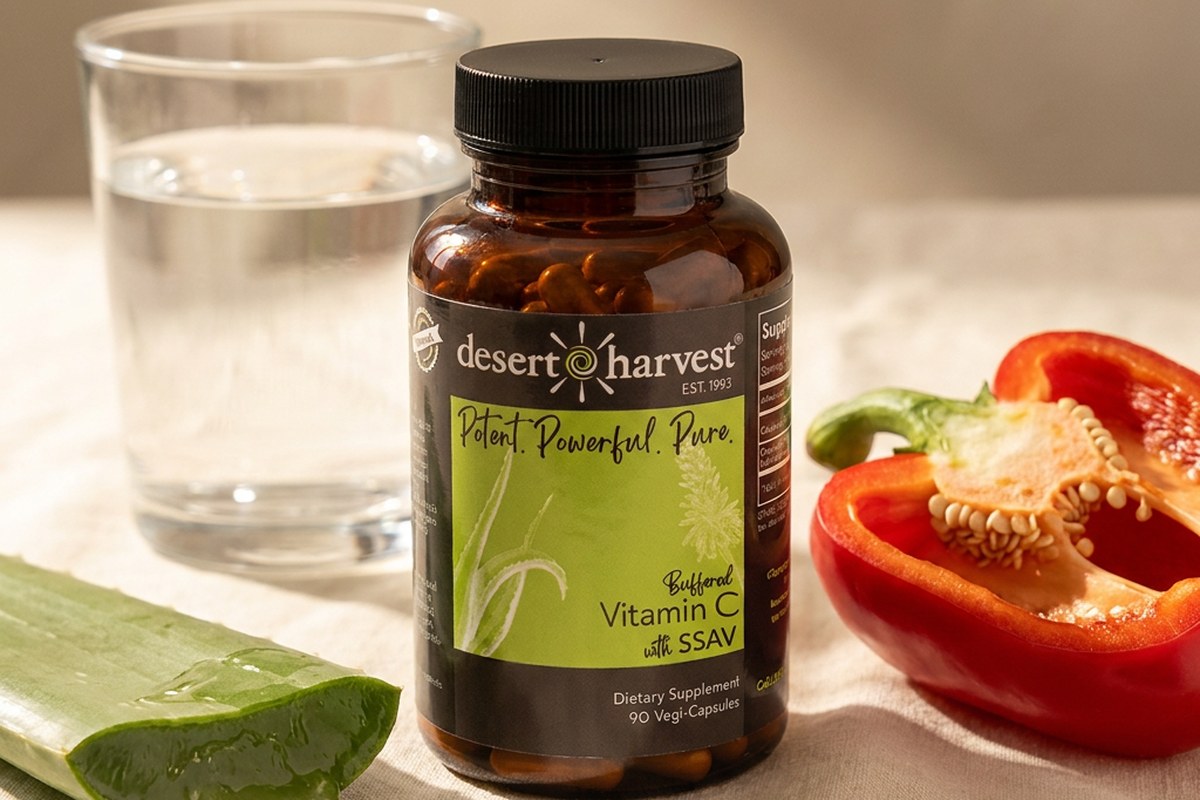
Buffered Vitamin C was formulated for exactly the people who had given up on vitamin C. Each capsule carries 400 mg of vitamin C as calcium ascorbate — 444% of the Daily Value — buffered with 40 mg of calcium as calcium carbonate, plus 75 mg of SSAV (Super-Strength Aloe Vera). Ninety capsules per bottle at $25, one capsule twice a day.
The Aloe Vera is there for the same reason it appears in every Desert Harvest formula: studies indicate it may support absorption of what travels with it. The calcium is doing double duty as buffer and nutrient.
"Love your buffered Vitamin C. My bladder handles it quite well. I can’t do regular Vit C at all." — Jayne H., Verified Customer
Bladder-friendly, gluten-free, vegan, made in the USA, cGMP certified, third-party tested, no fillers or artificial ingredients. It also appears inside the Multi-Vitamin Low Acid, which uses calcium ascorbate for the same reason and leaves out B6 entirely. Talk to your healthcare provider about whether it fits your routine.
The Bottom Line
If vitamin C has been off your list for years, it is worth asking which vitamin C you were actually reacting to. Ascorbic acid and calcium ascorbate deliver the same nutrient, and only one of them arrives acidic — which for a sensitive bladder is the whole question.
Subscribe to Buffered Vitamin C and every subscription order ships free.
These statements have not been evaluated by the Food and Drug Administration. This product is not intended to diagnose, treat, cure, or prevent any disease. This content is for informational purposes only and does not constitute medical advice. Always consult with a qualified healthcare provider before making changes to your health regimen.