


Acemannan and Beta-Glucans: What Aloe Vera and Mushrooms Actually Have in Common
A desert succulent and a bracket fungus growing on a dead hardwood log have close to nothing in common — no shared kingdom, no shared habitat, no shared biology worth mentioning. Except for one thing: the class of molecule that made researchers interested in both of them in the first place.
Both Aloe Vera and functional mushrooms are studied largely for their polysaccharides. It is the reason both appear in the same supplement cabinet, the reason processing method matters so much for both, and the reason a milligram figure on either label can be close to meaningless on its own. Here is the chemistry in plain language, and what it means when you are standing in front of two bottles.
What a Polysaccharide Actually Is
Sugar chains, not sugar
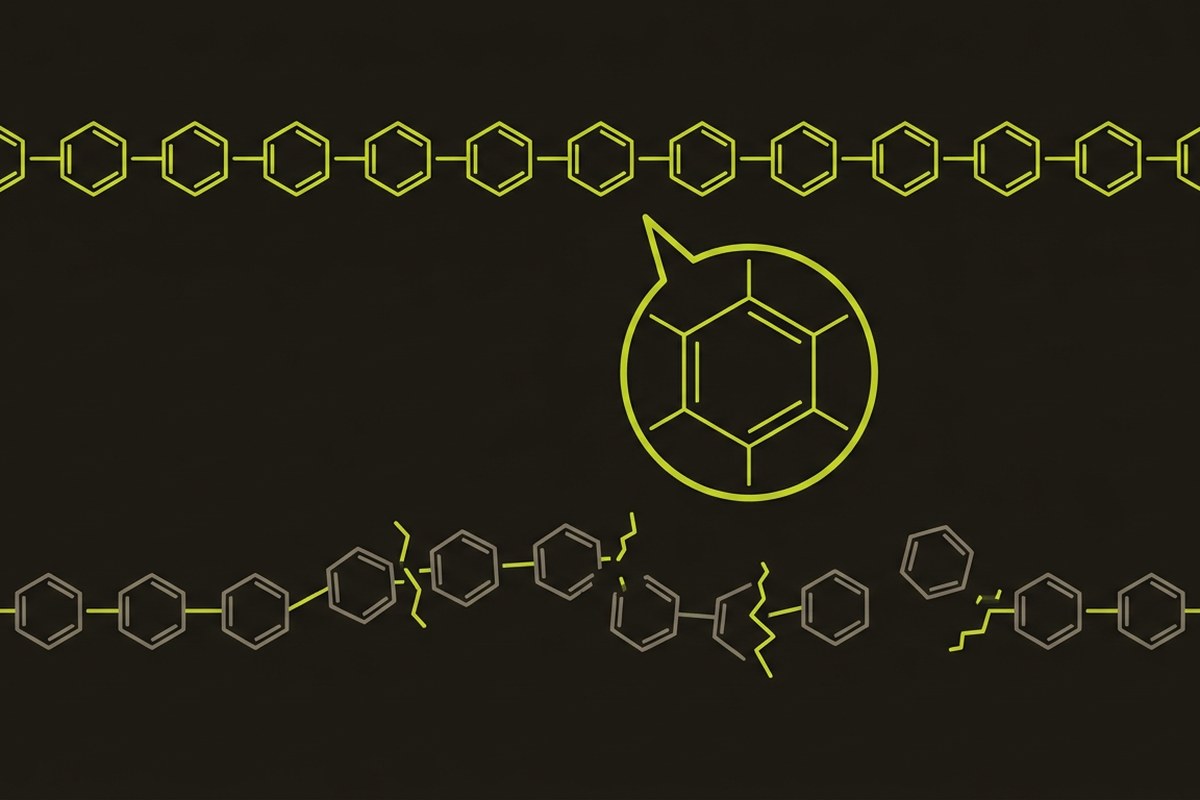
The word looks alarming on a label if you are watching your blood sugar. It should not. "Poly" means many and "saccharide" means sugar unit, so a polysaccharide is simply a long chain of sugar molecules linked together — the same way a protein is a long chain of amino acids.
What matters is that the human digestive system does not break most of these chains down into simple sugars. They behave much more like dietary fiber than like anything sweet, and they arrive in the gut largely intact.
Structure decides everything
Two polysaccharides can contain the identical sugar units and behave completely differently, because the biology depends on how those units are linked and how long the chain is. Beta-1,3 and beta-1,6 linkages, the ones found in mushroom cell walls, are a genuinely different molecular shape from the mannose-rich chains in Aloe Vera.
That is also why these molecules are fragile. Heat, harsh solvents and aggressive processing shorten chains and change structure — and a shortened chain is not the molecule that was studied.
Two Families, Two Very Different Sources
Acemannan: Aloe Vera’s signature chain
Acemannan is an acetylated mannan — a long chain built mostly from mannose sugars — and it is the compound most associated with Aloe Vera in the research literature. Research collected in PubMed Central has examined it across a wide range of contexts for several decades.
Because acemannan degrades with heat, how the leaf was handled matters more than almost anything else on the label. Our Aloe Vera science page covers the cold-process, freeze-dried route in more detail.
Beta-glucans: the mushroom side
Beta-glucans are the structural polysaccharides in fungal cell walls, and they are what most mushroom research is ultimately about. Studies indexed in PubMed have examined them extensively for immune function.
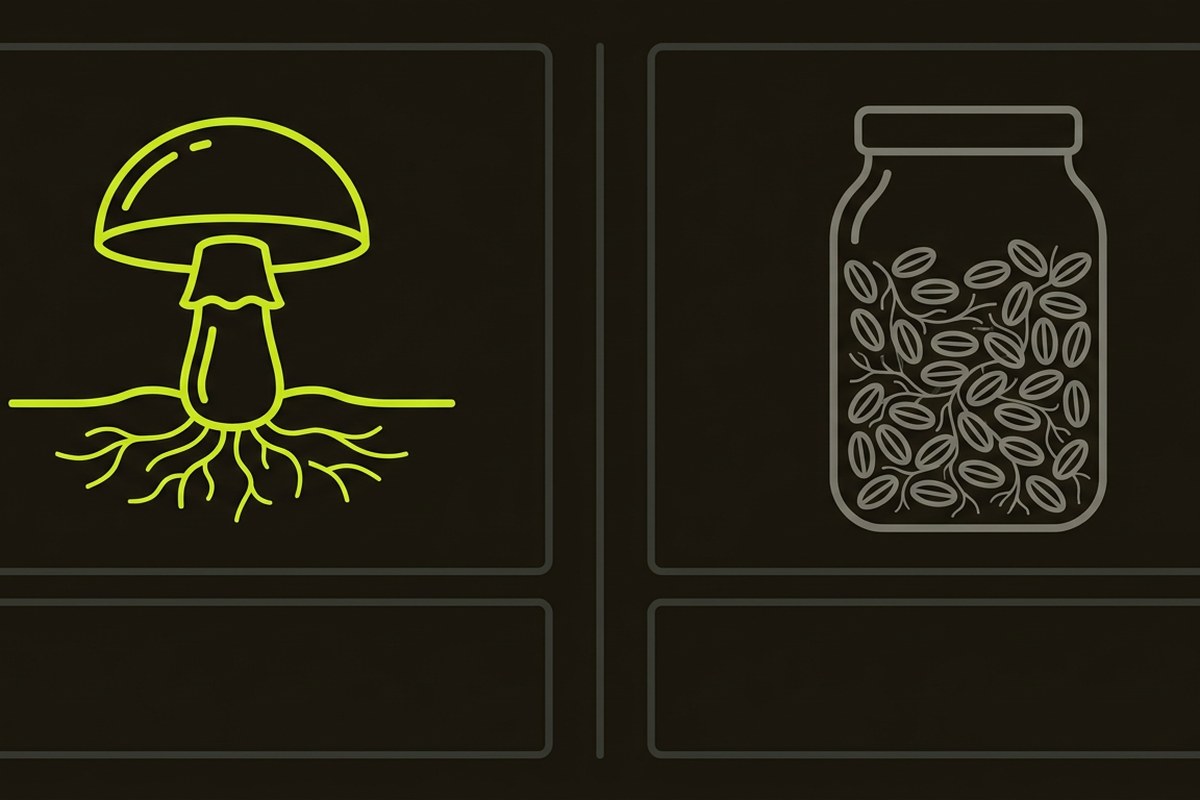
There is a catch specific to this category. Beta-glucans live in the cell wall, which is chitinous and tough, so extraction method affects how much is actually available. And crucially, they are concentrated in the fruiting body — the mushroom you would recognize — rather than in the mycelium.
Reading Both Labels Without Guessing
For Aloe Vera
- Is the anthraquinone-containing latex layer removed? Look for "decolorized" or "anthraquinone-free".
- Is there a concentration ratio? A 200:1 concentrate means 200 parts fresh leaf reduced to one part powder. Without a ratio, milligrams tell you very little.
- How was it dried? Freeze-dried cold processing preserves fragile chains; heat processing does not.
For mushrooms
- Fruiting body or mycelium? Mycelium is often grown on grain and sold with the grain still attached, which inflates the weight with starch.
- Does the label say what part was used at all? Silence is usually an answer.
- Is it third-party tested? Mushrooms concentrate what is in their substrate, so purity testing is not optional.
A note worth repeating: if you take prescription medication, are pregnant or breastfeeding, or manage an autoimmune condition, talk to your healthcare provider before adding any mushroom or Aloe Vera supplement to your routine.
The Desert Harvest Difference
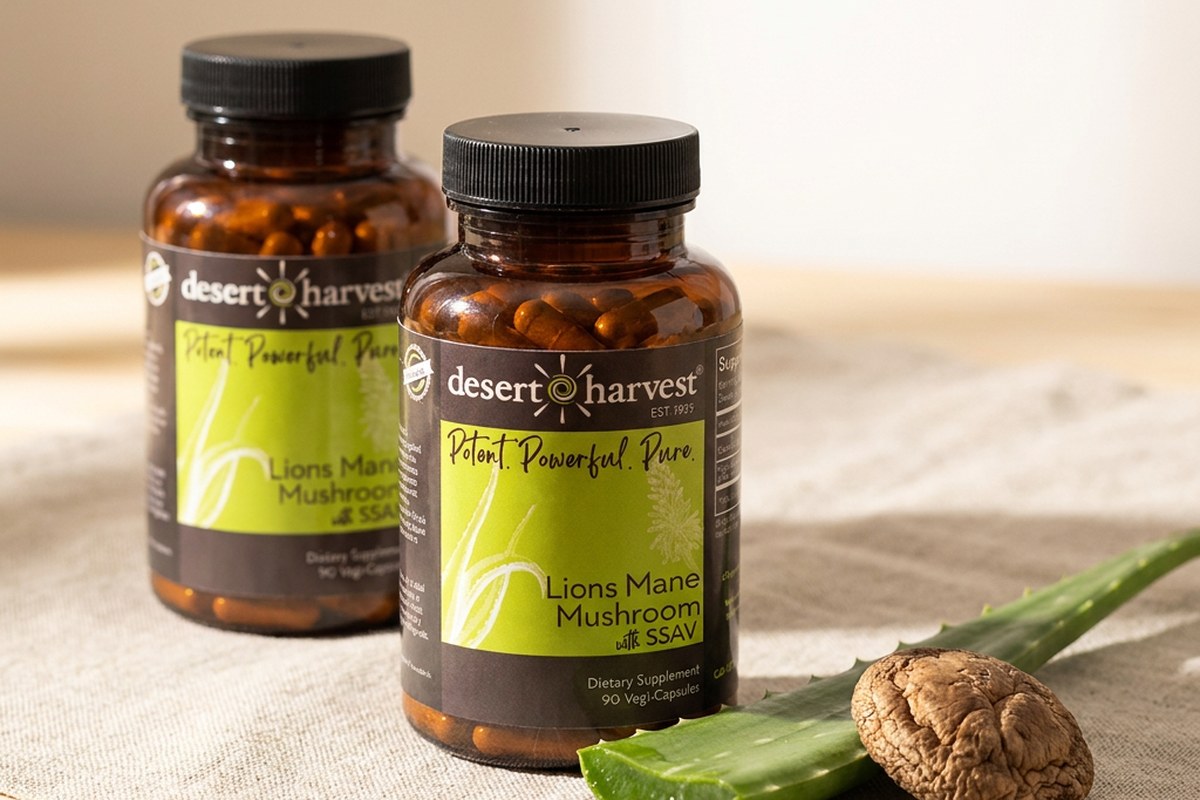
We took the same position in both categories, which is why our mushroom capsules look the way they do. Lion's Mane and Turkey Tail each contain 392 mg of fruiting body only — no mycelium, no grain, no starch fillers — paired with 98 mg of our organic SSAV (Super-Strength Aloe Vera).
That Aloe Vera is the 200:1 whole-leaf, freeze-dried, anthraquinone-free concentrate we have made since 1993 — the only Aloe Vera supplement named by name in the International Painful Bladder Foundation's global IC/BPS guidelines — and it is there as a carrier to support nutrient absorption. Both are third-party tested, vegan and made in the USA, and both sit in our everyday supplements collection. One capsule a day; benefits accrue gradually rather than overnight.
The Bottom Line
Aloe Vera and mushrooms end up in the same conversation because they are studied for the same class of molecule — long, fragile sugar chains whose structure is easy to damage and easy to fake on a label. Which means the questions that matter are the same in both aisles: what part of the organism, at what concentration, processed how.
Subscribe to Turkey Tail and every subscription order ships free.
These statements have not been evaluated by the Food and Drug Administration. This product is not intended to diagnose, treat, cure, or prevent any disease. This content is for informational purposes only and does not constitute medical advice. Always consult with a qualified healthcare provider before making changes to your health regimen.